Business Analysis
Gathering real evidence about how the business is performing, reading the trends inside it, and keeping your strategy anchored to reality instead of assumption.
 Find this on the mind-map
Introduction
Every strategy you run is really just a set of assumptions about a market, and as we all know, markets move. Holding onto a plan isn't enough - the plan has to keep adapting as customer needs shift, and the way your own business operates changes.
What worked last year is not evidence that it still works now.
Business analysis is how you keep that plan honest. It's the discipline of gathering insights, spotting trends, and using what you find to drive better decisions. Done well, it gives you a view of the whole business, not just the corner you run day to day, and it forces you to name both what's working and where you're actually struggling.
The real discipline is deciding what to measure before you read what got measured. That means settling on the questions that actually matter, choosing measures that answer them, recording a baseline, and then reading the result.
Why It Matters for Leaders
When this skill is missing, the pattern is easy to spot.
- Decisions go to whoever argues most confidently or has the freshest anecdote, not whoever has the best evidence.
- The dashboard fills up with whatever numbers were easiest to collect, not the ones that actually matter for the business.
- A weak quarter gets blamed on "effort" when the real explanation is that the industry itself has shifted.
- A strength gets asserted for years without ever being tested in the field.
As W. Edwards Deming put it: "Without data, you're just another person with an opinion." The leaders who build this skill stop relying on being the most persuasive person in the room, because they don't need to be. They just need to be right, and they can show their work.
What to do next
Master Business Analysis by taking the mini-course
Frameworks related to Business Analysis
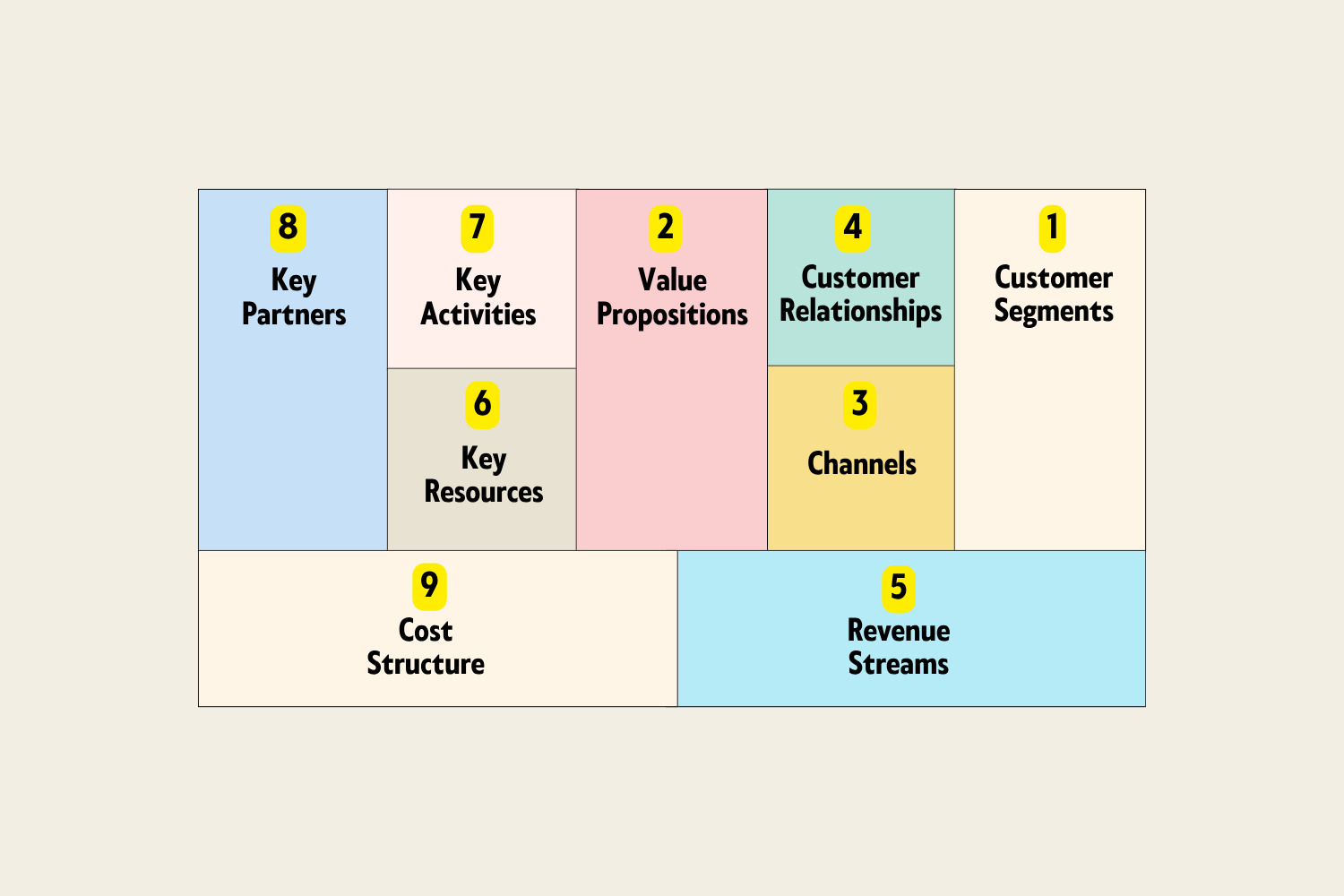
Business Model Canvas
A one-page map of how your business creates, delivers, and captures value, broken into nine blocks you see and debate.

SWOT Analysis
A four-box check on Strengths, Weaknesses, Opportunities, Threats — splitting what you control from what you don't before deciding what's next.
Skills related to Business Analysis

Business Strategy
Making the focused calls about where to compete, what to prioritize, and what to say no to, because a strategy is defined as much by what it rules out as by what it commits to.

Change Management
Carrying your team through a transition, from the moment you announce a change to the point where the new way of working has just become the ordinary one.

Driving Execution
Turning an agreed plan into delivered results through the focus, systems, and accountability that keep a team moving from decision to outcome.

Process Improvement
Finding where the work slows down, repeats itself, or breaks, and clearing that friction so effort turns into output instead of overhead.

Risk Management
Naming what could go wrong before it does, sizing each threat by likelihood and impact, and acting on the ones that matter.

Visioning
Defining and communicating a compelling direction, and connecting your team's daily work to that.