Leading Self
Know yourself, your strengths, and how you show up as a leader.
 Find this on the mind-map
Introduction
Before you can lead anyone else, you have to be able to lead yourself: your own judgment, your own reactions, your own self-knowledge. This is the layer that every other part of your leadership runs through, and if it's off, everything built on top of it is a little off too.
This comes down to two things.
- First, knowing yourself honestly: what you're actually good at, where your judgment gets shaky, and how your behavior lands on the people around you.
- Second, managing yourself: catching your own fear, insecurities, and ego before they start driving what you do.
Why It Matters for Leaders
Most leadership failures don't start as strategy problems or execution problems. They start with a leader who's lost touch with themselves. If you overreact to small things, or shut down in conflict, or freeze up in a stressful situation, this is usually where it traces back to.
You'll see it show up in ordinary, everyday behavior rather than one big blow-up.
- You water down the feedback until it says nothing useful, because giving it straight feels too risky to you.
- You micromanage an otherwise capable person on your team, because your own discomfort or insecurity makes you think the work is not safe to hand off.
- You use the exact same style on everyone, and whoever it doesn't fit gets treated like the problem in the team.
- You put off decisions until circumstances force your hand, which looks like patience but is really just avoidance.
When you build this layer as the foundation of your leadership, your response actually matches what's happenin around you - big problems get a big response, small ones don't. A Korn Ferry study found that leaders with high self-awareness run teams with 30% higher engagement and performance. Understanding yourself gets you better decisions, clearer communication, and the confidence and ability to handle the stress instead of dumping it on your team.
Skills related to Leading Self

Self-Awareness
Knowing your own strengths, blind spots, and emotional patterns — and knowing how they actually land on the people around you.

Self-Management
Managing your own emotional reactions — especially fear and insecurity — so they stop quietly driving your behavior under pressure.
Frameworks related to Leading Self
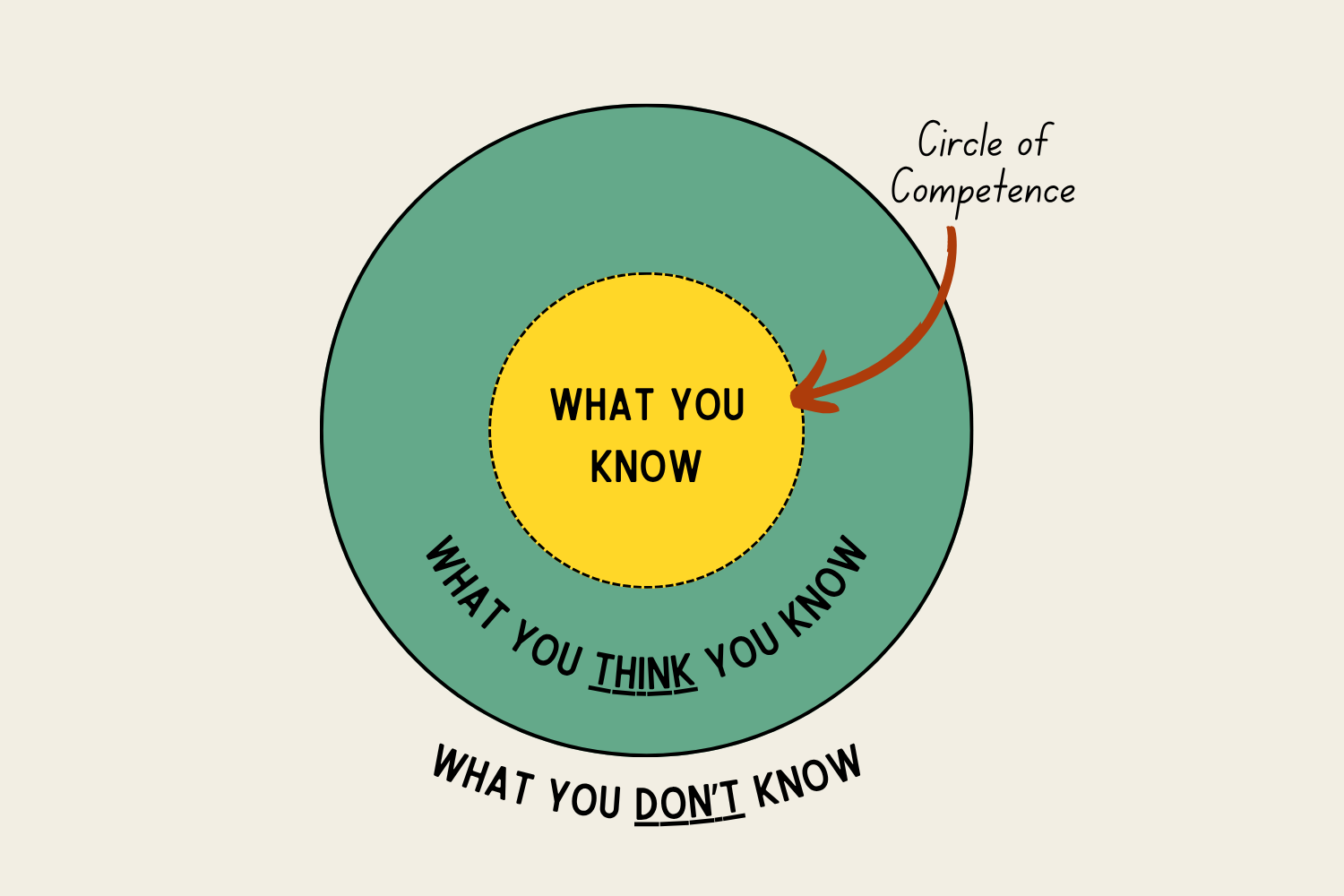
Circle of Competence
Buffett and Munger's model for knowing exactly where your understanding ends — size doesn't matter, honesty about the edge does.
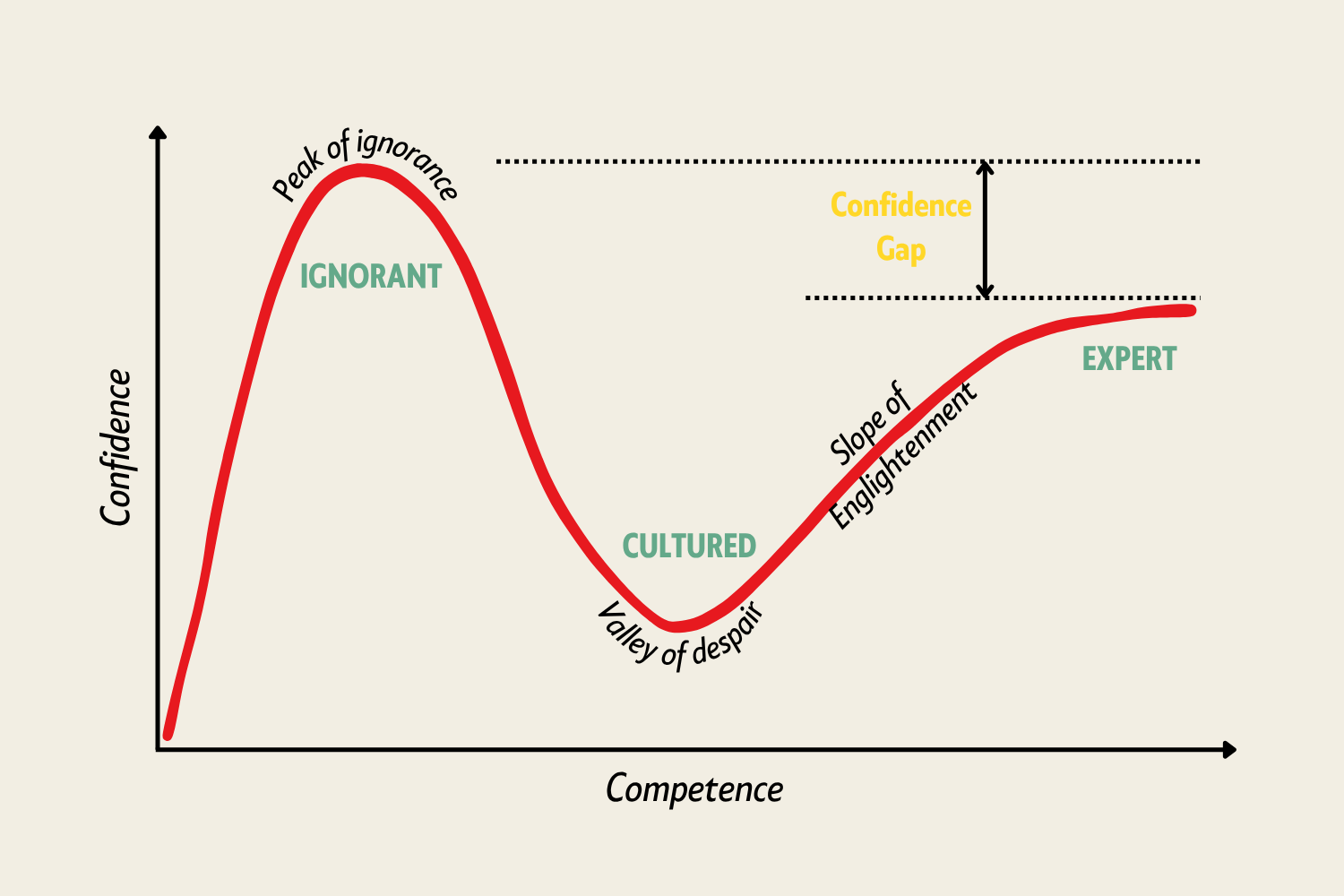
Dunning-Kruger Effect
Knowing little makes you feel unstoppable; knowing more makes you hesitate — the loudest voice is rarely the most reliable one.

EQ Framework
A 2x2 of emotional intelligence — self or social, noticing or acting — giving four skills: self-awareness, self-management, social awareness, relationship management.

Johari Window
A 2x2 mapping what you know about yourself against what others know — exposing blind spots, building trust through disclosure.
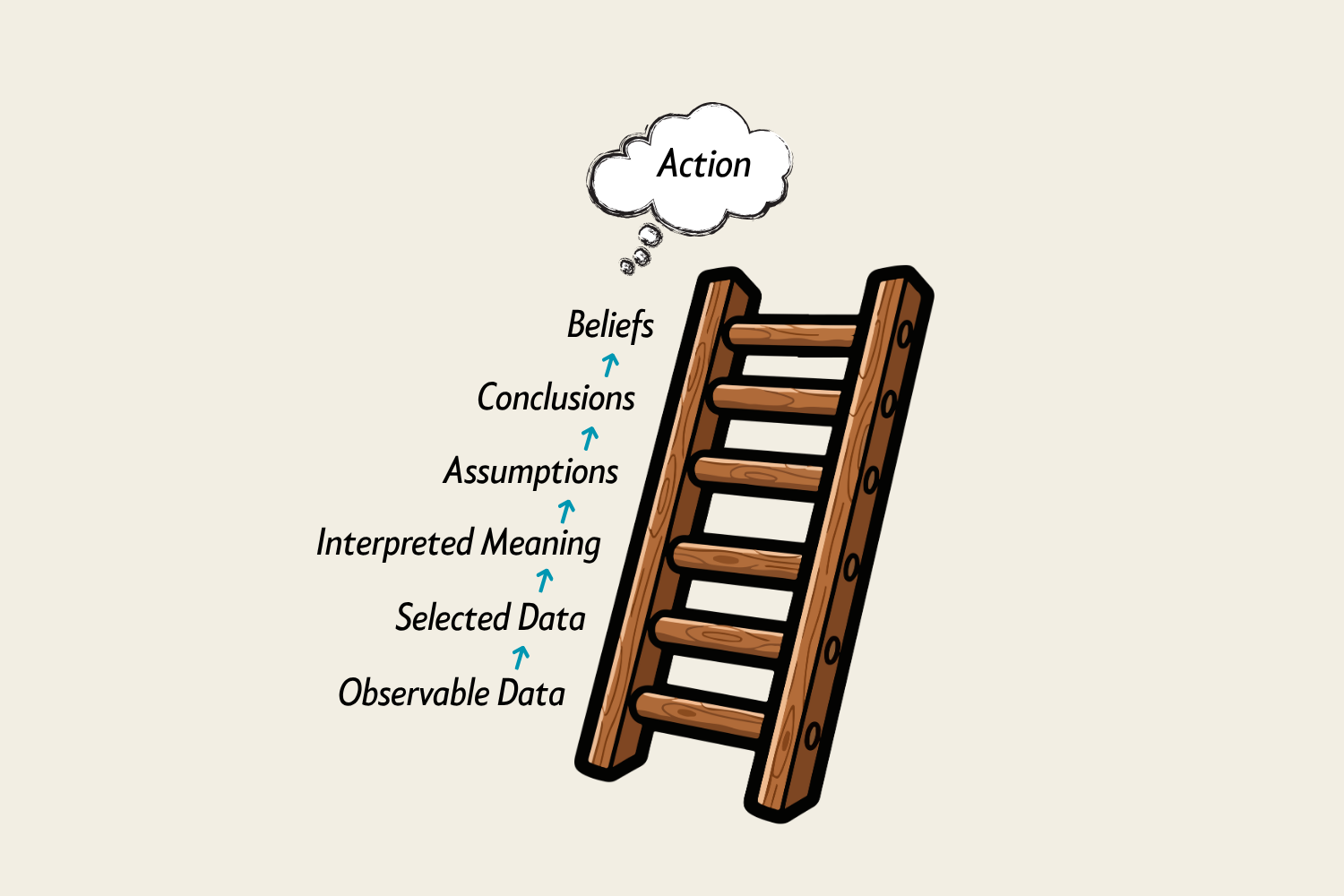
Ladder of Inference
Your mind turns a fact into belief through selection and assumption — you end up arguing with a story, not reality.

The Four Temperaments
An ancient personality model — Sanguine, Choleric, Melancholic, Phlegmatic — a fast vocabulary for reading your style, your team, and your boss.

The Insecurity Loop
A model of how insecurity, disguised as ego, shame, or control, drives a self-feeding cycle that pushes your team away.

The Leadership Code
Leadership runs on three traits — head, gut, heart — each toxic alone: competence without character is arrogance, courage without it reckless.

The Pygmalion Effect
What you expect from someone leaks into how you treat them, which shapes what they become — for better or worse.

The Three Brains Framework
Three systems compete to drive your response — reactive, emotional, thinking. Pause, align, choose — that's how you decide which one leads.