
Learn
Learn the system, the skills and frameworks behind effective leadership.
The operating system that powers great leadership.

The Leadership OS
The complete system of skills and behaviors that power great leadership.

The Mind Map
The whole Leadership OS in one interactive map.

Leading Self
Know yourself, your strengths, and how you show up as a leader.

Leading Others
Lead teams, create accountability, develop, inspire and coach your people.

Leading Results
Provide vision & purpose, drive business impact, and manage change.

Strategic Leadership
Prioritize what matters, think long-term, and make smart decisions.
The skills you need to master as a leader.
Skills related to Leading Self


Skills related to Leading Others

Coaching
Helping people think, and take ownership of their own problems

Communication & Influence
Using narrative, story, and structure to inspire, align, and actually move people, not just inform them.

Culture Building
Culture isn't the perks or the values on the wall, but what you tolerate, reward, and let slide.

Giving Feedback
Delivering honest, specific feedback often enough that people can actually act on it.

Goal Setting
Turning intentions into clear, measurable goals that give a team direction and a real sense of progress, and keeping those goals honest as conditions change.

Leadership Development
Deliberately growing the next generation of leaders on your team, because your legacy ends up measured by the leaders you develop, not by what you accomplish alone.

Team Development
Building a high-performing team on purpos, guiding people through the stages of a team's growth, building real trust between them, and handing over ownership as they earn it.
Skills related to Leading Results

Business Analysis
Gathering real evidence about how the business is performing, reading the trends inside it, and keeping your strategy anchored to reality instead of assumption.

Business Strategy
Making the focused calls about where to compete, what to prioritize, and what to say no to, because a strategy is defined as much by what it rules out as by what it commits to.

Change Management
Carrying your team through a transition, from the moment you announce a change to the point where the new way of working has just become the ordinary one.

Driving Execution
Turning an agreed plan into delivered results through the focus, systems, and accountability that keep a team moving from decision to outcome.

Process Improvement
Finding where the work slows down, repeats itself, or breaks, and clearing that friction so effort turns into output instead of overhead.

Risk Management
Naming what could go wrong before it does, sizing each threat by likelihood and impact, and acting on the ones that matter.

Visioning
Defining and communicating a compelling direction, and connecting your team's daily work to that.
Skills related to Strategic Leadership

Creative Thinking
Finding the approach everyone else misses, by challenging assumptions, widening your options, and testing unfamiliar ideas cheaply before you commit to them.

Decision-Making
Making a measured call fast, on information that's never complete, and correcting course as evidence comes in instead of defending your first answer.

Leading with AI
Knowing when to trust AI-generated work, when to dig into the reasoning behind it, and how to use it without letting your own judgment go soft.

Mental Agility
Matching how you lead to the situation in front of you and the person you're leading, because the approach that worked yesterday might be exactly wrong today.

Pattern Recognition
Noticing that a handful of small, separate signals are actually one thing, and naming the trend before it's obvious to everyone else.

Political Savvy
Reading the relationships, incentives, and unwritten rules that actually decide whether your idea gets adopted, not just whether it's the right one.

Prioritization
Picking the handful of things that actually matter and putting the team's energy there, which means saying no to almost everything else.

Problem-Solving
Solving problems systematically, diagnosing what's actually wrong before jumping in with a fix.

Productivity
Directing your time and energy at the work that actually matters, instead of letting whatever lands first run your day.

Strategic Thinking
Stepping back to see where things are heading, and actually letting that change what you do today.

Systems Analysis
Tracing how a decision in one part of the organization moves through the rest of it, instead of treating your team as its own island.
The must-have tools and frameworks in your leadership toolkit.
All Frameworks

Abilene Paradox
A team can agree to something nobody wants — not from pressure, but because everyone assumes they're the only doubter.

ADKAR Model
Five building blocks — Awareness, Desire, Knowledge, Ability, Reinforcement — track change person by person, pinpointing exactly where it's stuck.

Agile Methodology
Short cycles beat long plans — build a slice, ship it, get real feedback, adjust, and repeat until it fits.
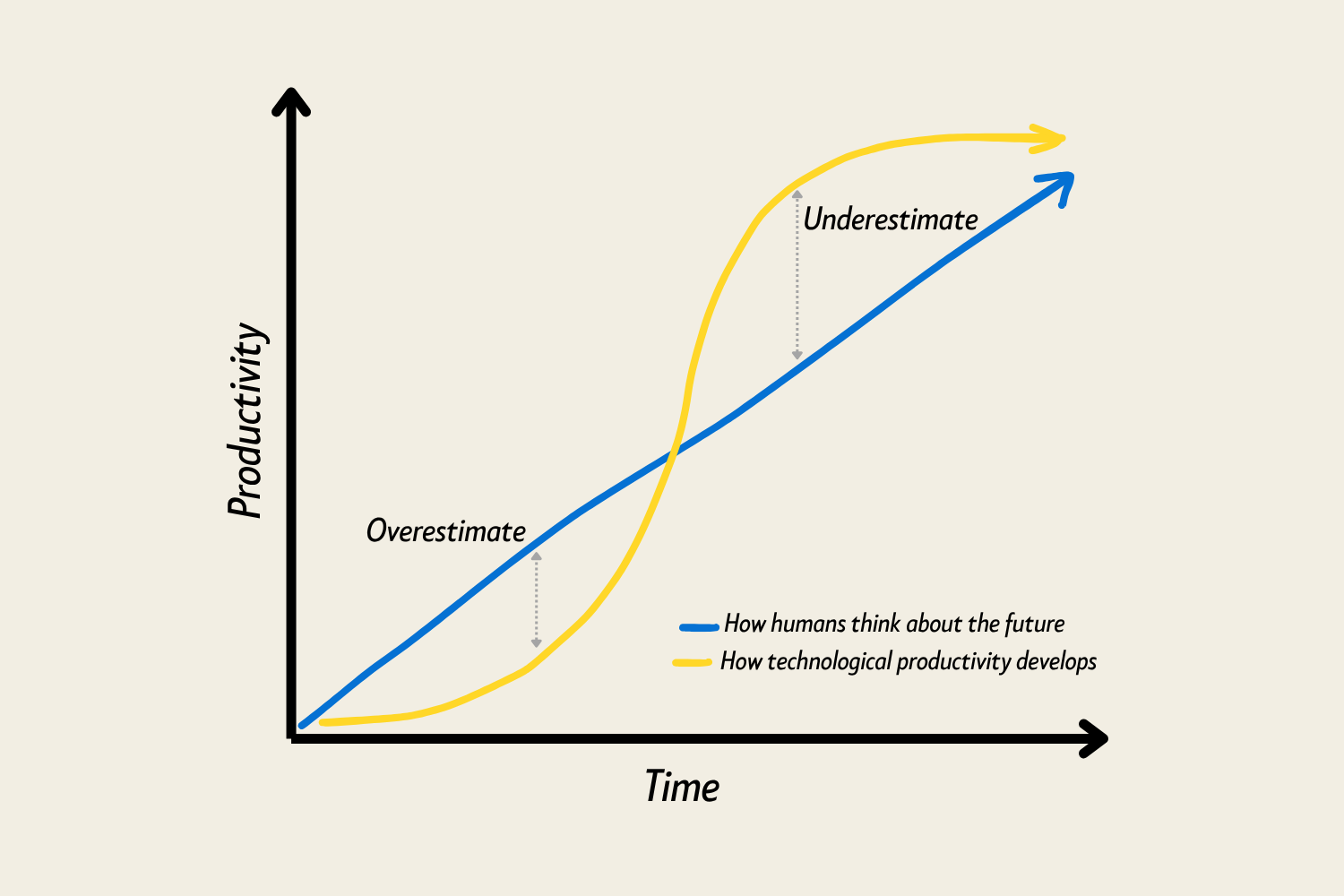
Amara's Law
You overestimate new tech's short-run impact and underestimate its long-run impact — so ask if you're early, not whether it's working.
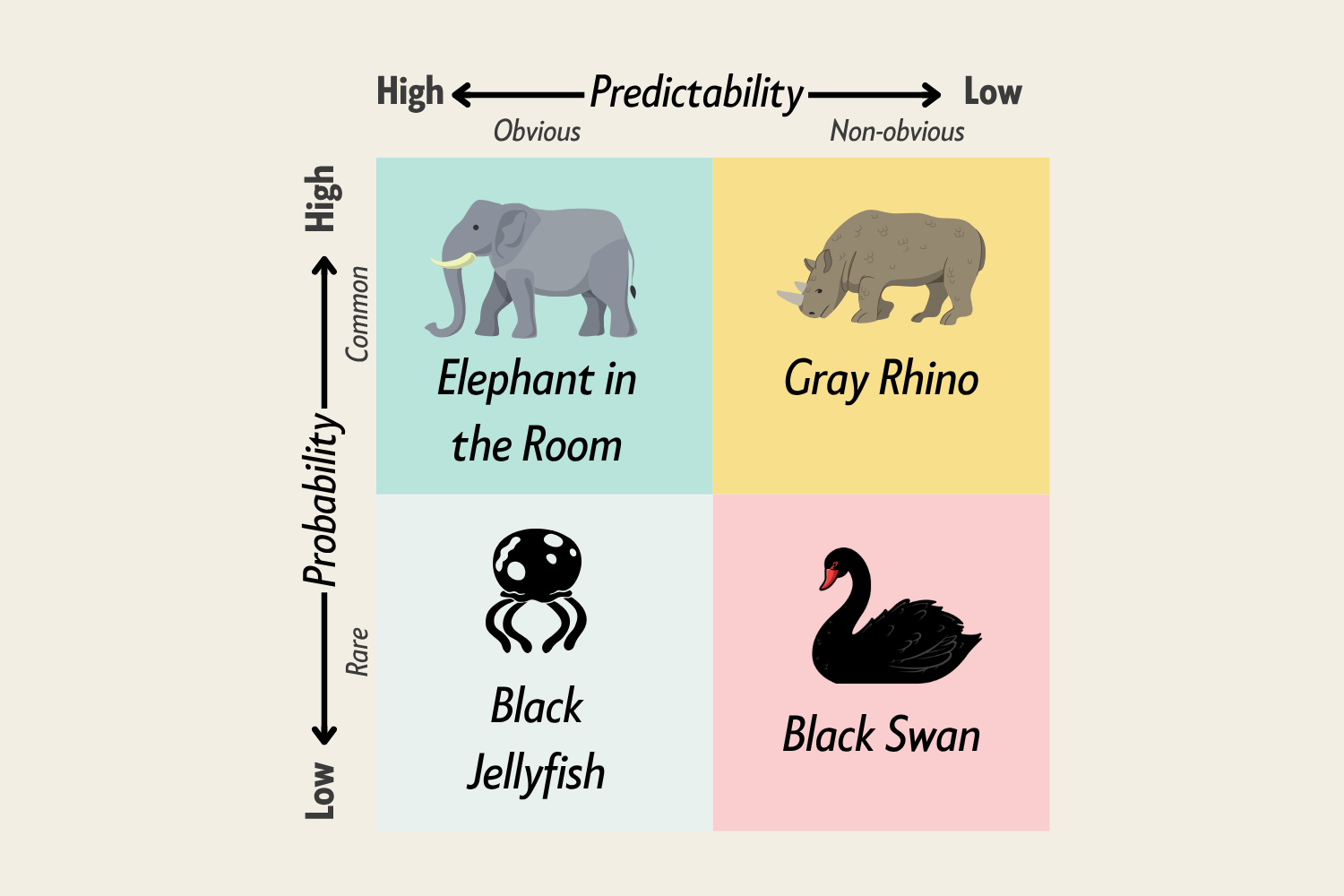
Animal Risk Matrix
Sort risk by predictability and probability into shapes — Elephant, Gray Rhino, Black Jellyfish, Black Swan — each needs a different response.
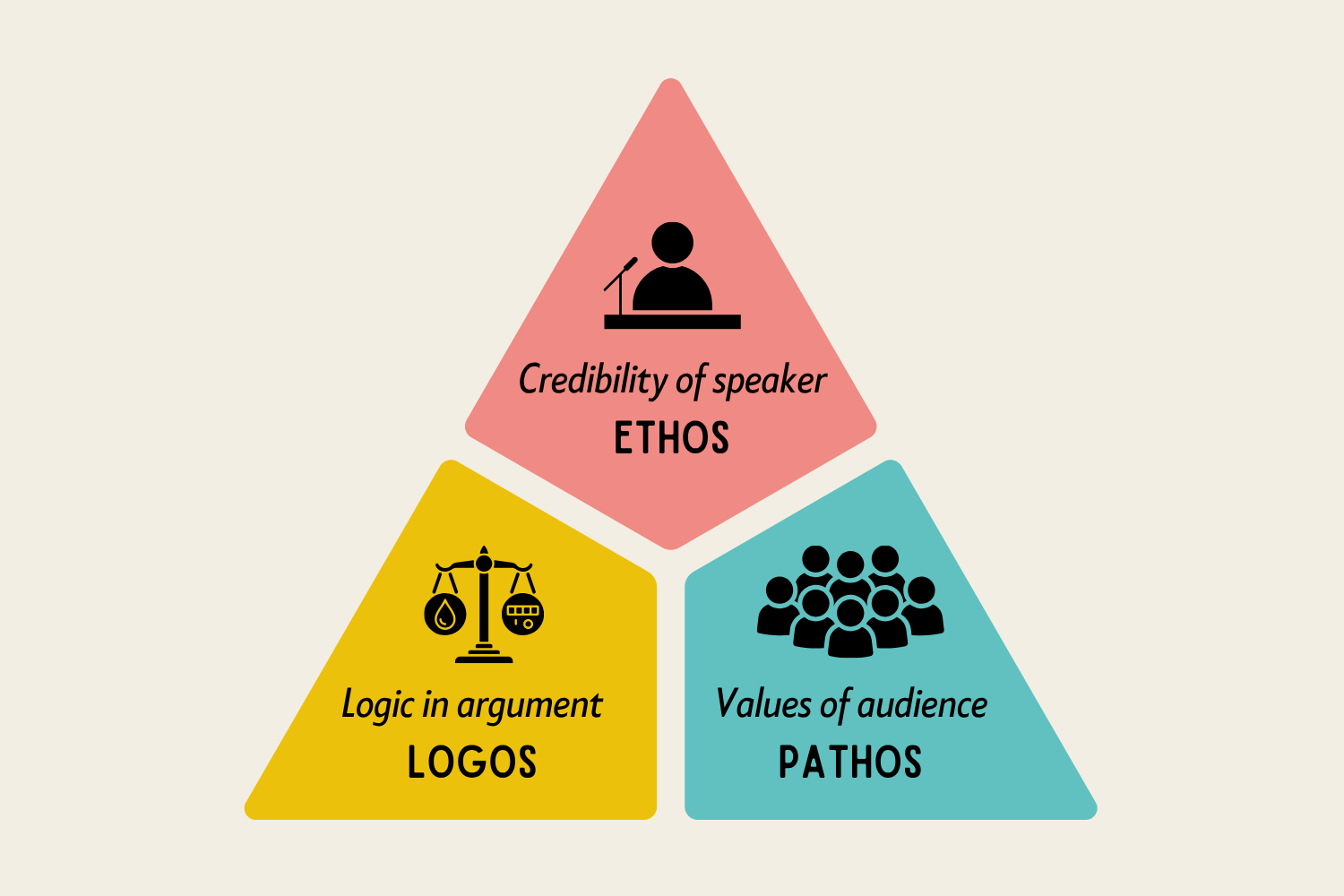
Aristotle's Rhetoric
Aristotle's persuasion rests on three appeals — ethos (credibility), pathos (emotion), logos (logic) — use all three or your message won't land.
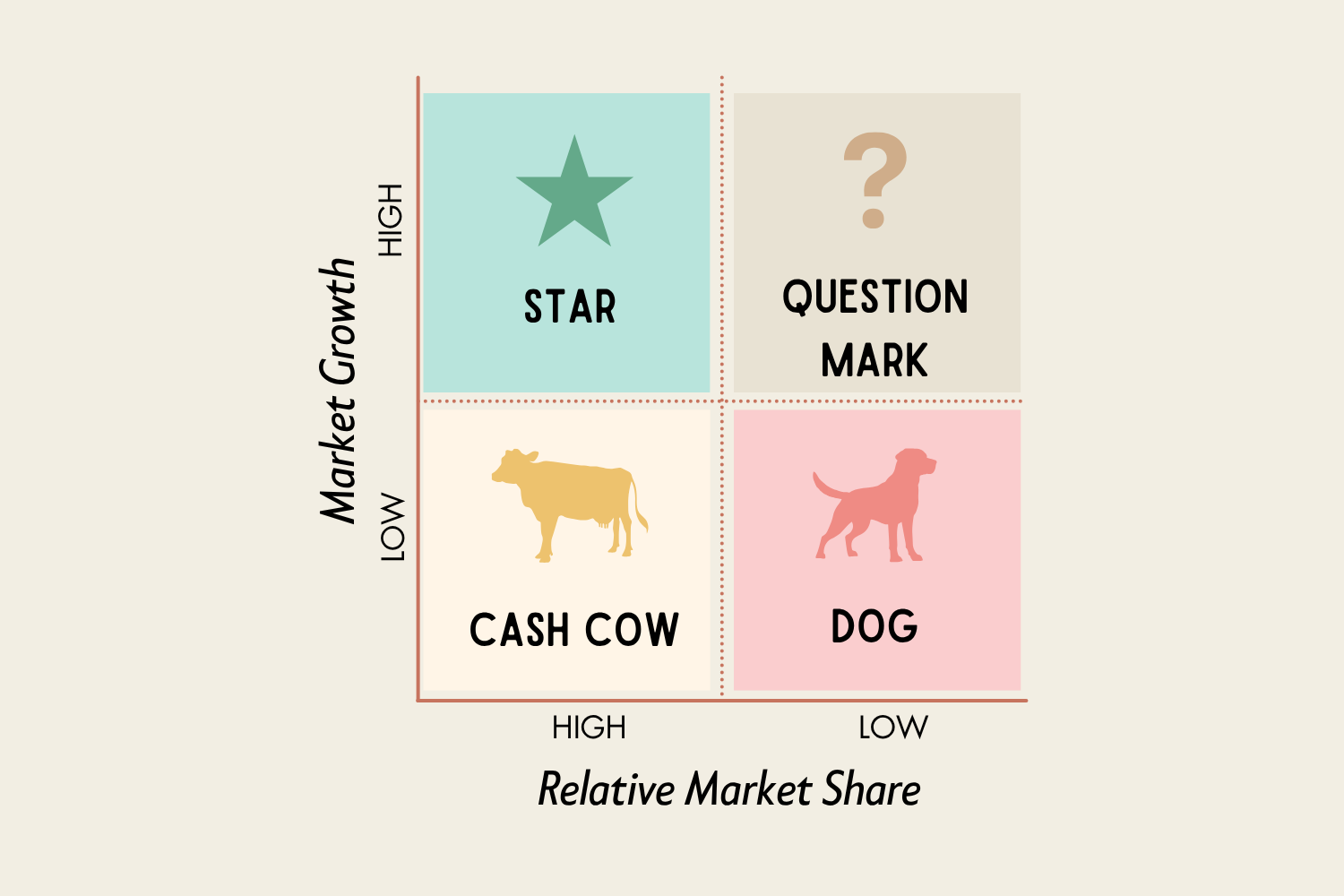
BCG Matrix
A 2x2 that sorts products or units by market growth and share — telling you what to fund, milk, or kill.

BHAG
A Big Hairy Audacious Goal: a 10-to-30-year target so bold it looks impossible — your organization's North Star.
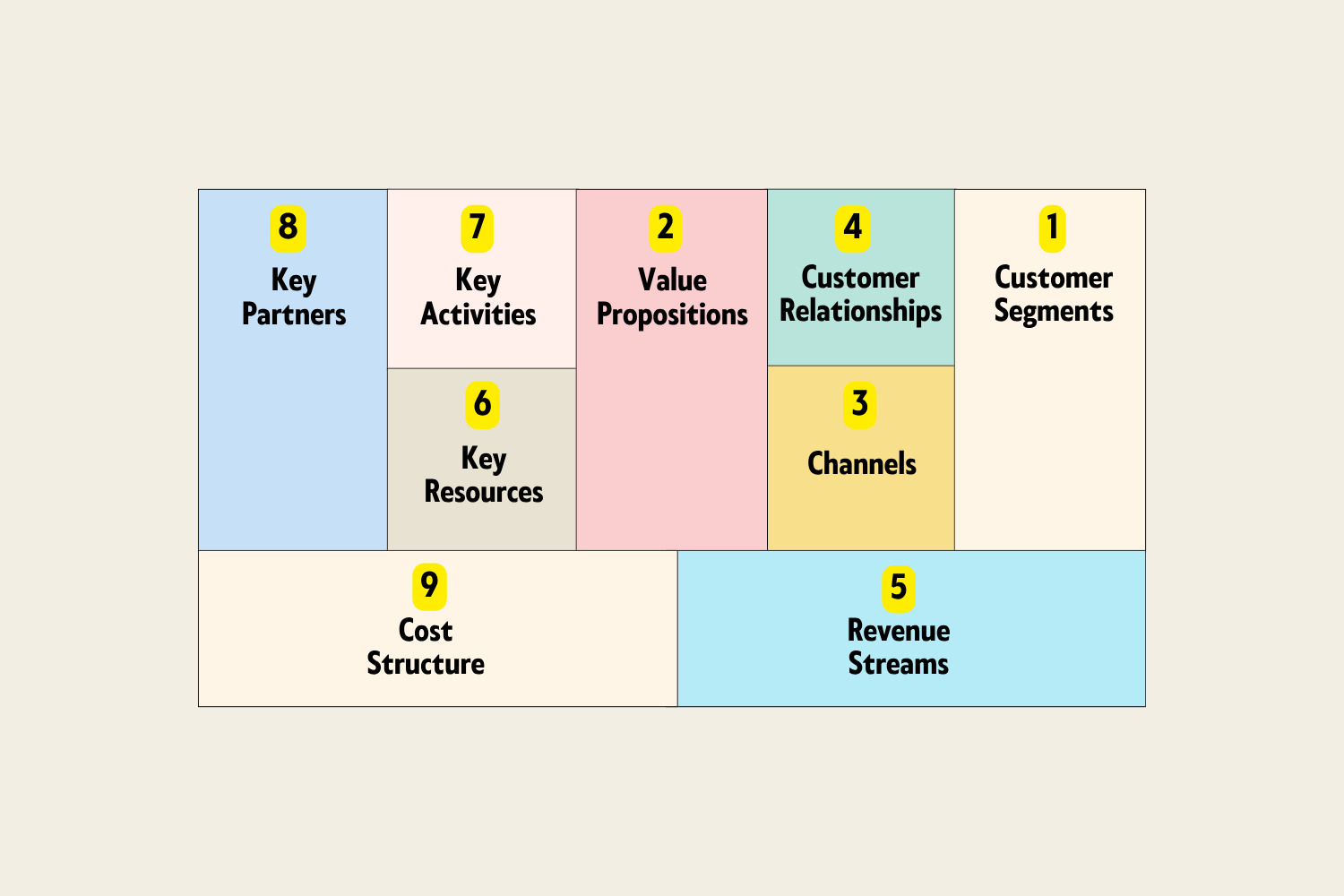
Business Model Canvas
A one-page map of how your business creates, delivers, and captures value, broken into nine blocks you see and debate.
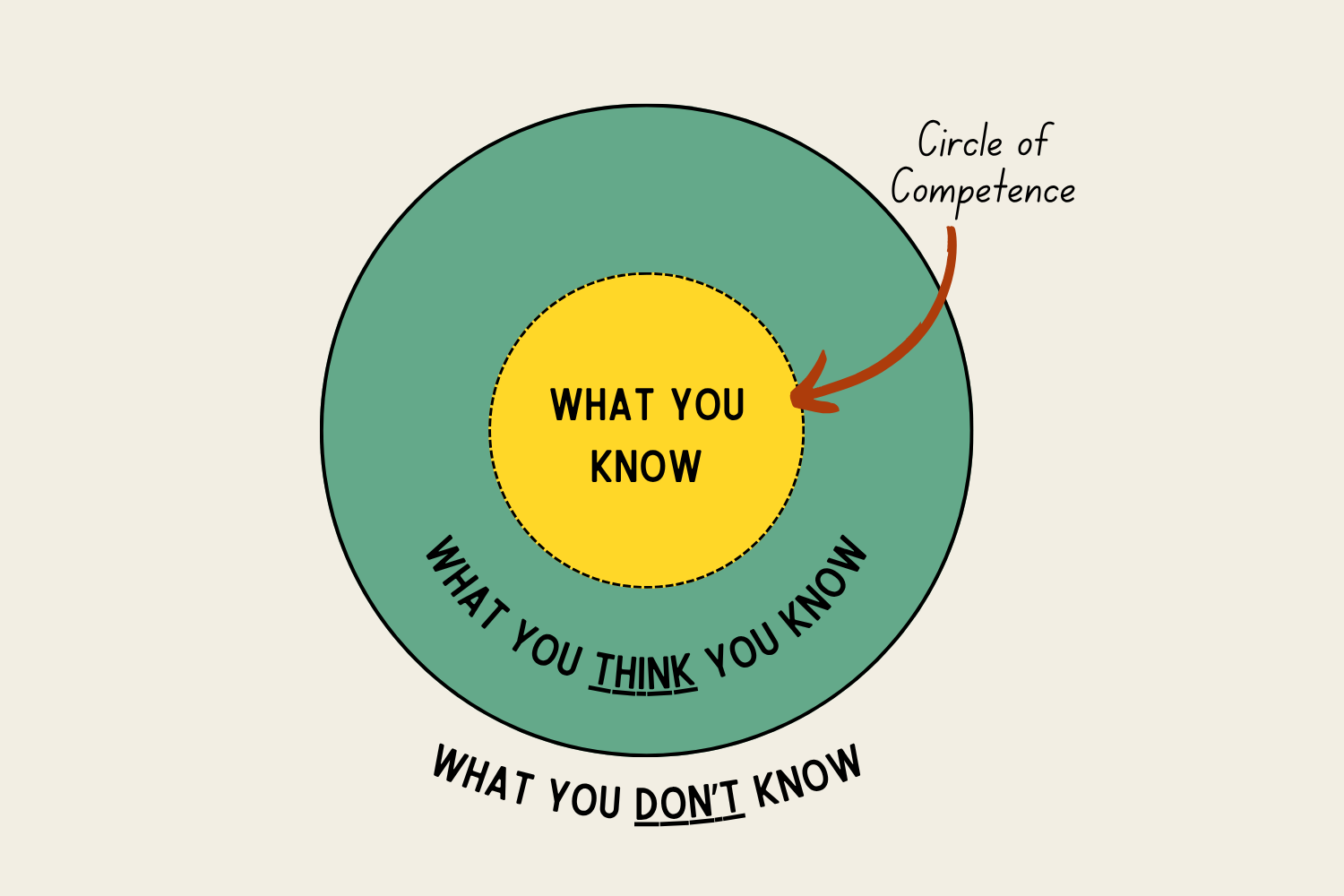
Circle of Competence
Buffett and Munger's model for knowing exactly where your understanding ends — size doesn't matter, honesty about the edge does.

CLEAR Model
A five-stage coaching structure — Contract, Listen, Explore, Action, Review — that centers real listening and reflection before rushing to a plan.
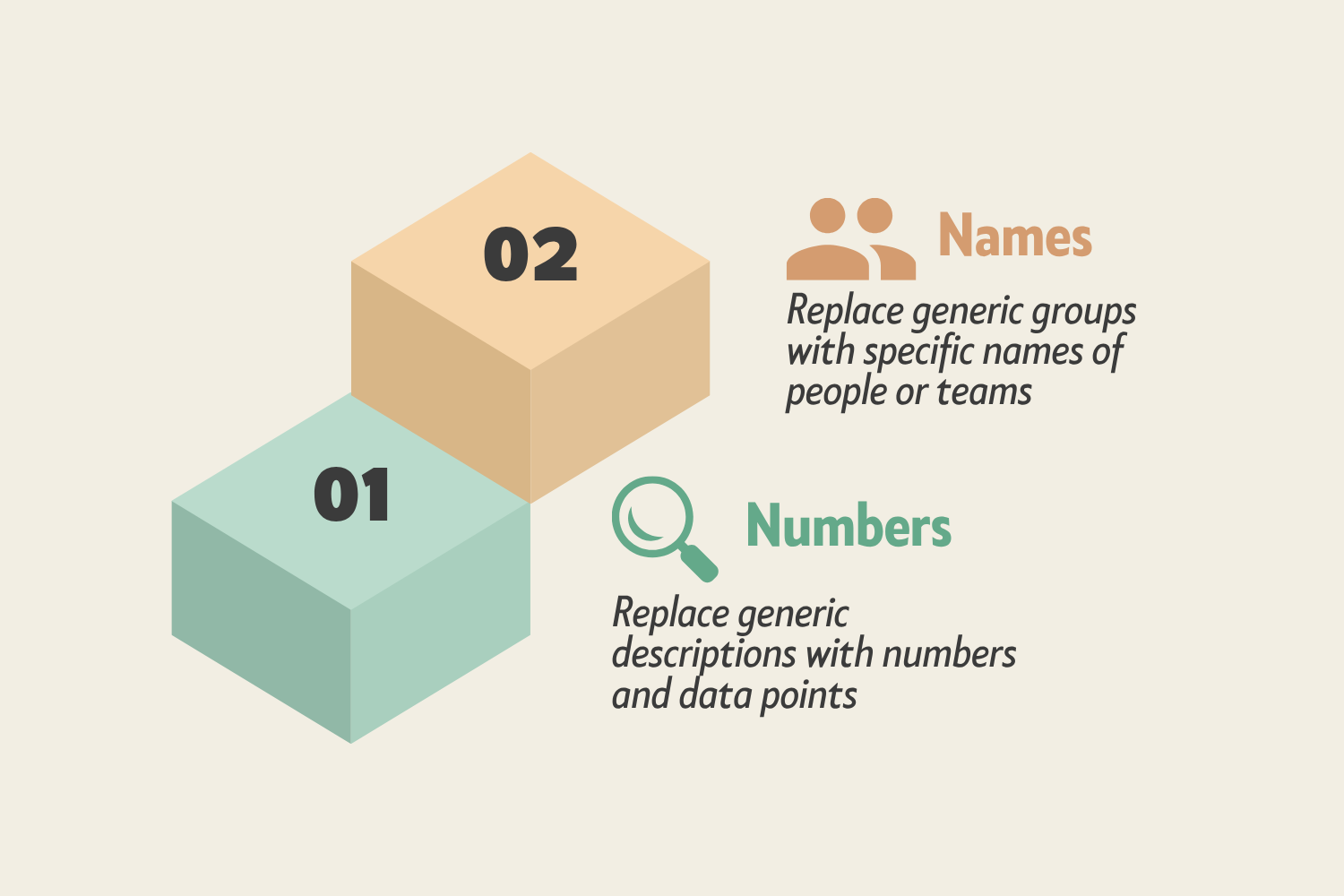
Cleverness to Clarity
Drop corporate jargon for clear, direct language — three reasons (trust, speed, growth) and the 2N Formula for doing it.

Conway's Law
Organizations build systems that mirror their own communication structure — your product's shape follows your org chart's shape.

Cynefin Framework
Dave Snowden's model sorts problems into four domains — Clear, Complicated, Complex, Chaotic — by cause-effect clarity, then matches your response.

Design Thinking
A human-centered process — empathize, define, ideate, prototype, test — for understanding the people living a problem before you design anything.

Dreamboxing
A model for turning vision into disciplined execution by cycling through three stages — Dream, Drive, Do — rather than favoring one.
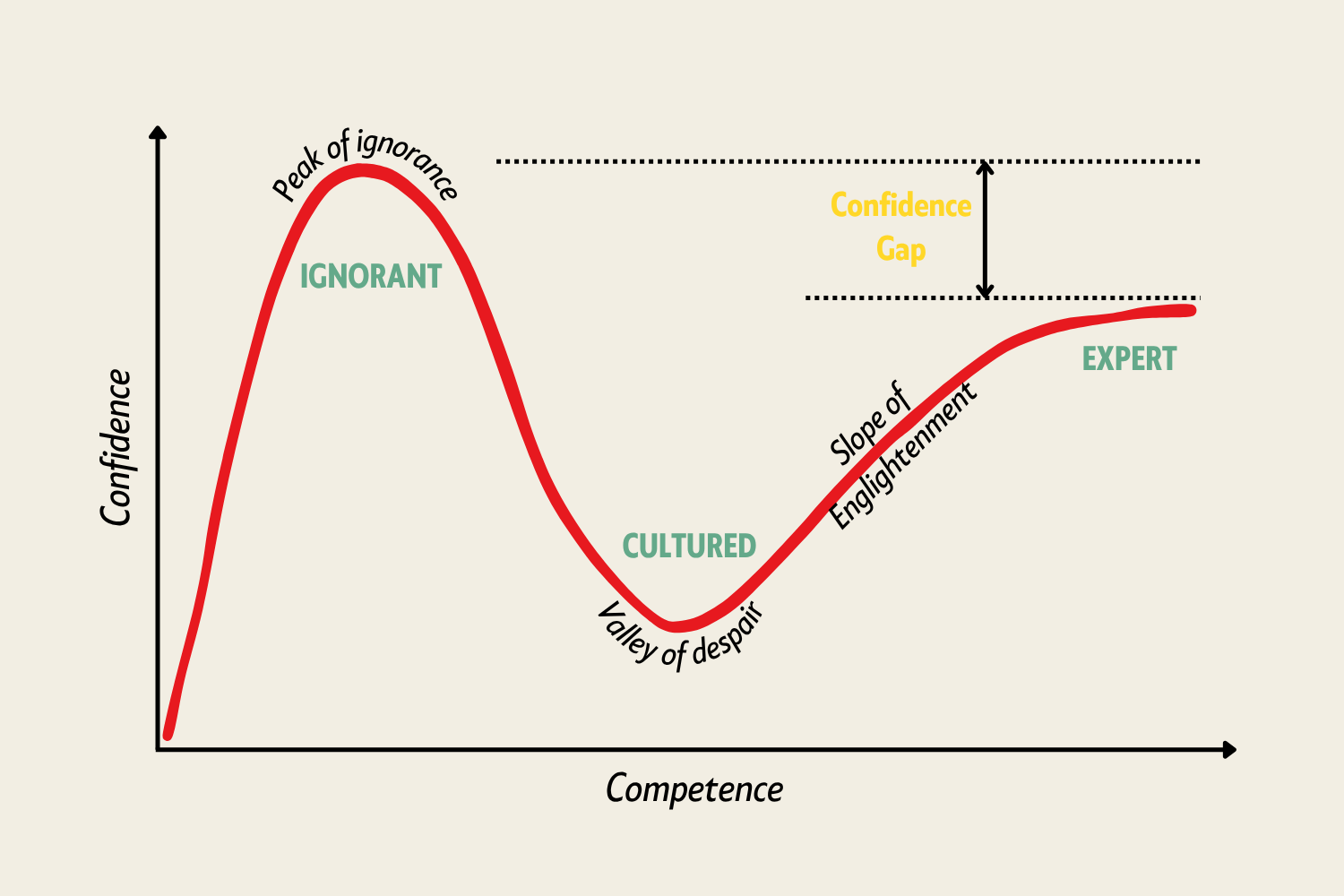
Dunning-Kruger Effect
Knowing little makes you feel unstoppable; knowing more makes you hesitate — the loudest voice is rarely the most reliable one.
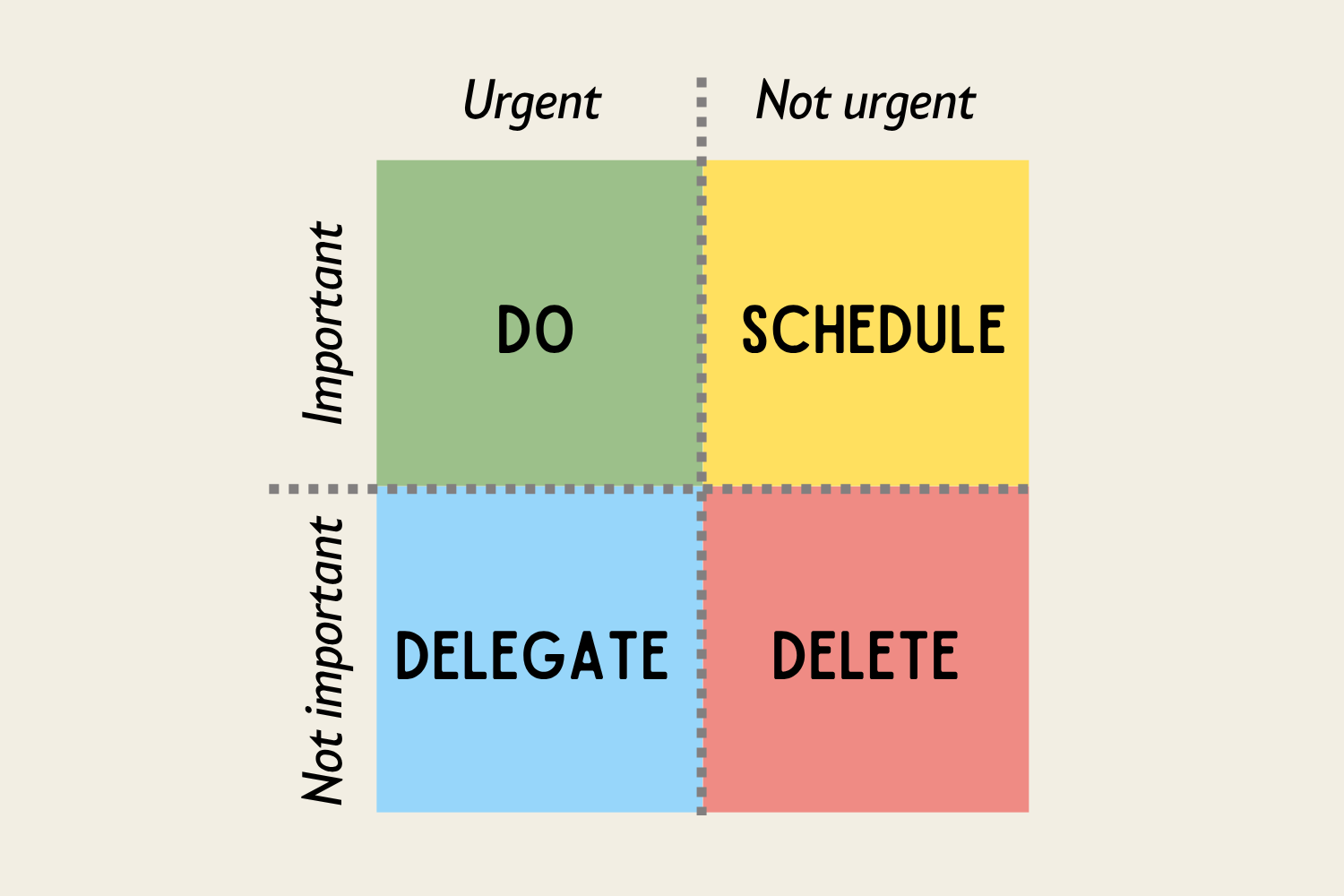
Eisenhower Matrix
A simple 2x2 that sorts tasks by urgency and importance, so what actually matters gets scheduled instead of whatever's loudest.

EQ Framework
A 2x2 of emotional intelligence — self or social, noticing or acting — giving four skills: self-awareness, self-management, social awareness, relationship management.

Feedback Sandwich
A feedback pattern that wraps criticism between two compliments — widely taught and used, and criticized for burying the message.

First Principles Thinking
Strip a problem to its foundational truths, discard every assumption, and rebuild your solution from the ground up.

FUEL Model
A four-stage coaching model — Frame, Understand, Explore, Lay out a plan — built for managers, ending in an actual plan.
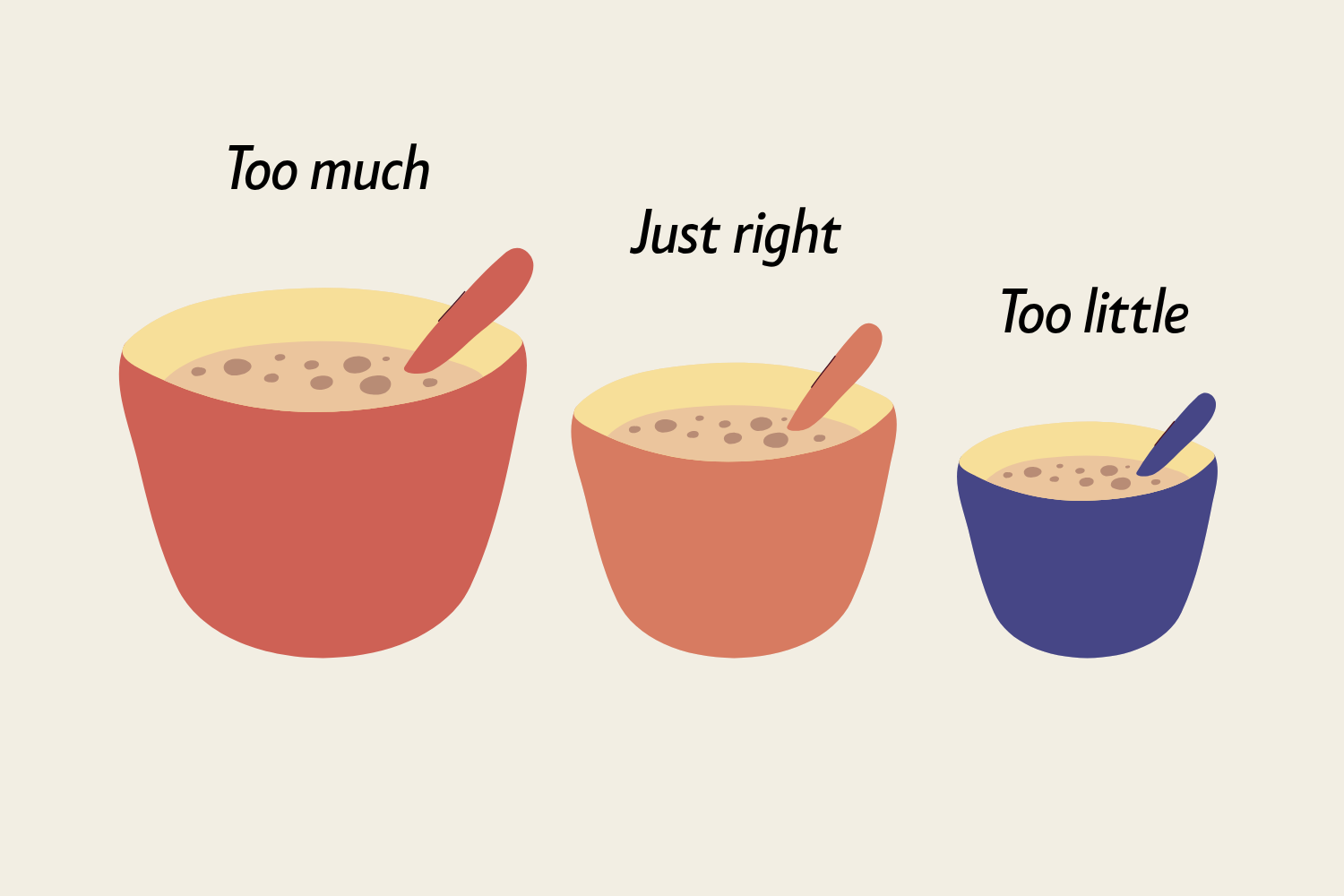
Goldilocks Principle
Support runs on a dial between micromanagement and abdication — enough direction for clarity, enough space for ownership, always moving.
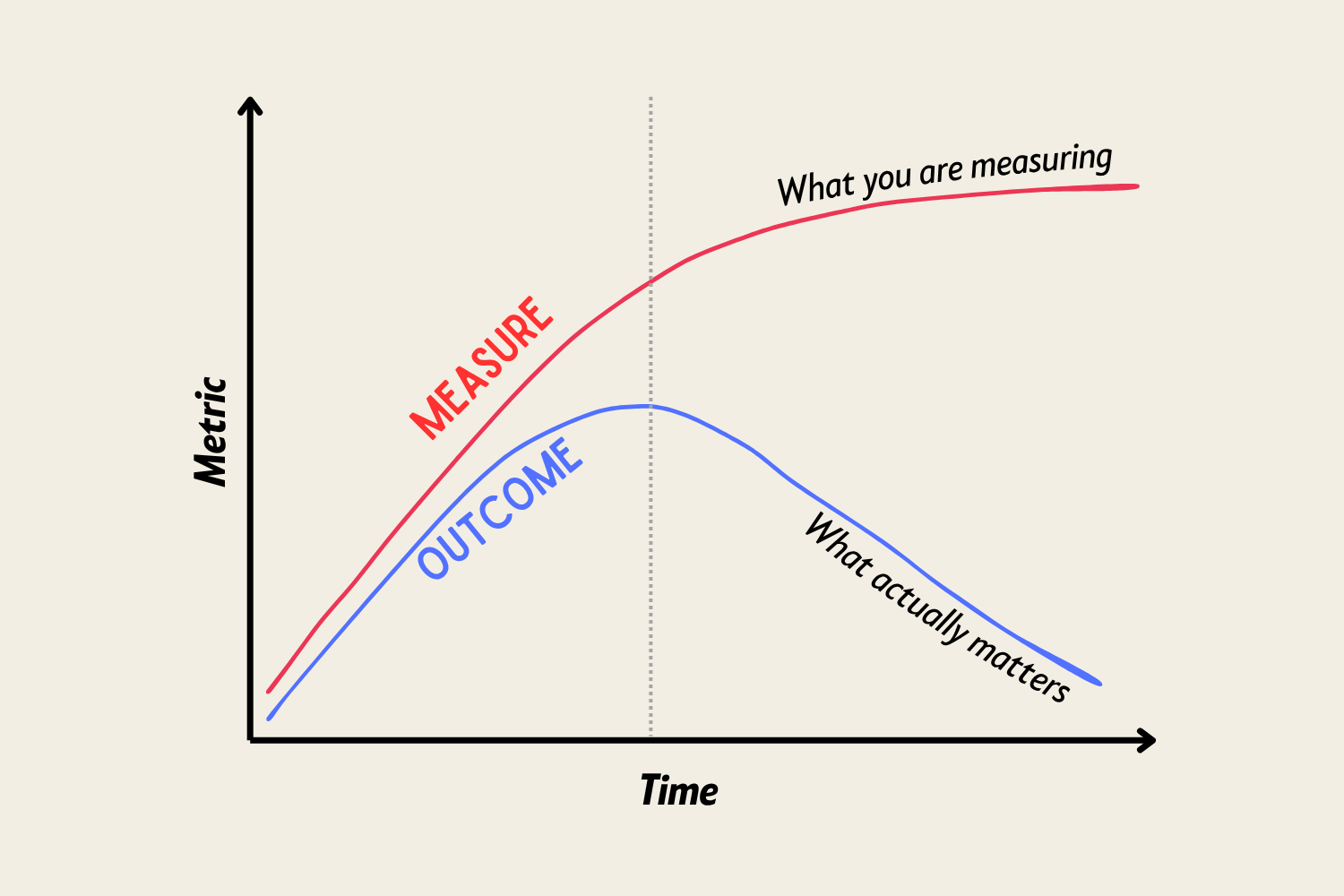
Goodhart's Law
"When a measure becomes a target, it stops being a good measure" — metrics with consequences get gamed.

Hawthorne Effect
People change how they behave when they know they're watched — your attention is an intervention that changes what you see.

IKEA Effect
You value things more when you helped build them — which is why a strategy handed to a team lands flat.

Ikigai
A Japanese concept locating your reason for being at the overlap of passion, skill, world need, and pay.
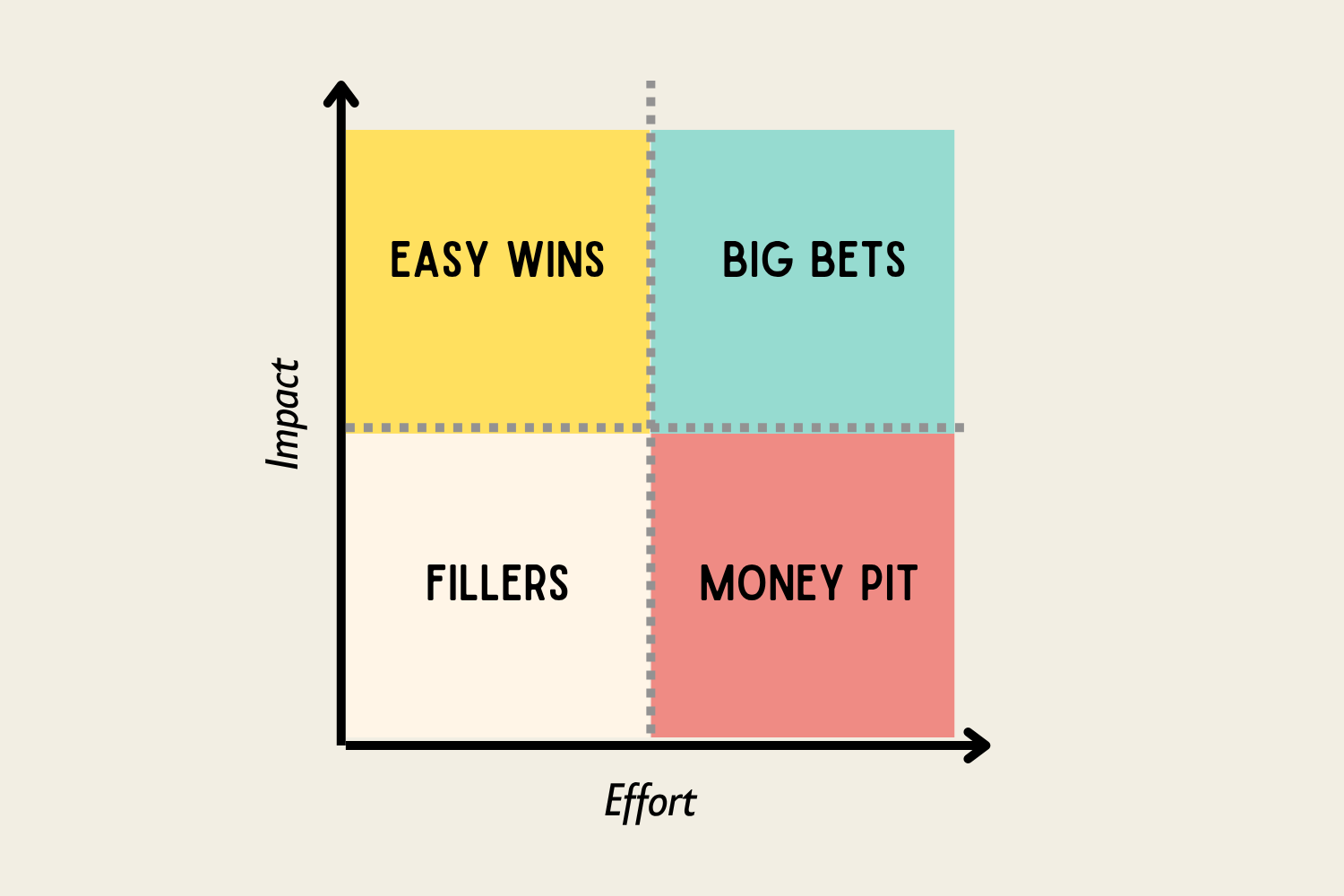
Impact-Effort Matrix
A 2x2 that plots initiatives by value against effort, so you see what to start now, plan for, or kill.

Inversion Principle
A thinking tool that swaps "how do I succeed?" for "how would this fail?" — surfacing failure modes forward planning misses.

Johari Window
A 2x2 mapping what you know about yourself against what others know — exposing blind spots, building trust through disclosure.

Kaizen
A continuous improvement philosophy built on small, repeated changes to the system your team works in — not big transformation programs.
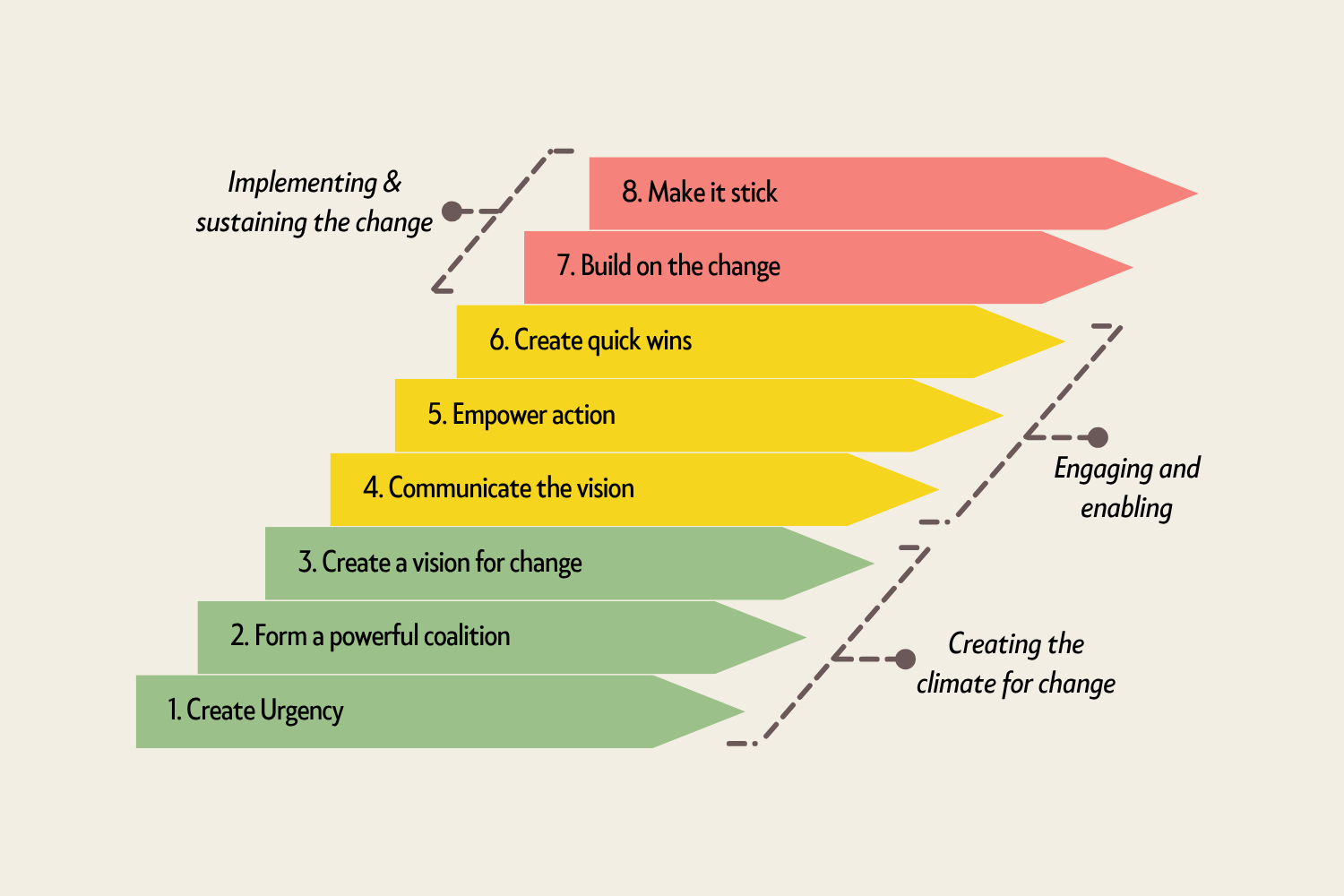
Kotter's 8-Step Change Model
John Kotter's eight-step process for leading change, from creating urgency to anchoring new behavior in culture — keeping transformations from reversing.
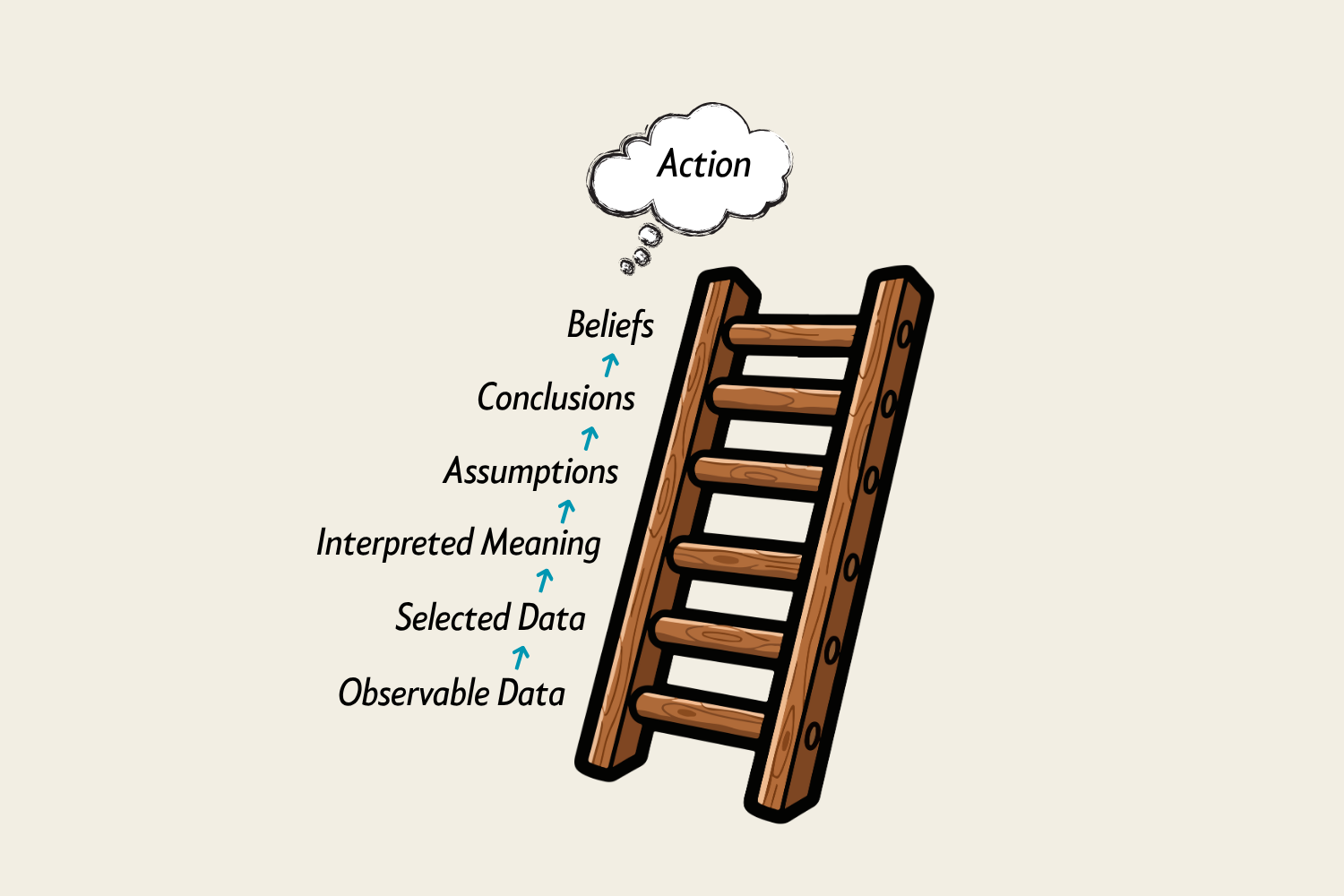
Ladder of Inference
Your mind turns a fact into belief through selection and assumption — you end up arguing with a story, not reality.

Lean Startup
Eric Ries's Build-Measure-Learn loop: test your riskiest assumption with the smallest product, measure what people do, then pivot or persist.

Lego Serious Play
A guided exercise building LEGO models as metaphors for a problem, then explaining them aloud, surfacing what discussions miss.
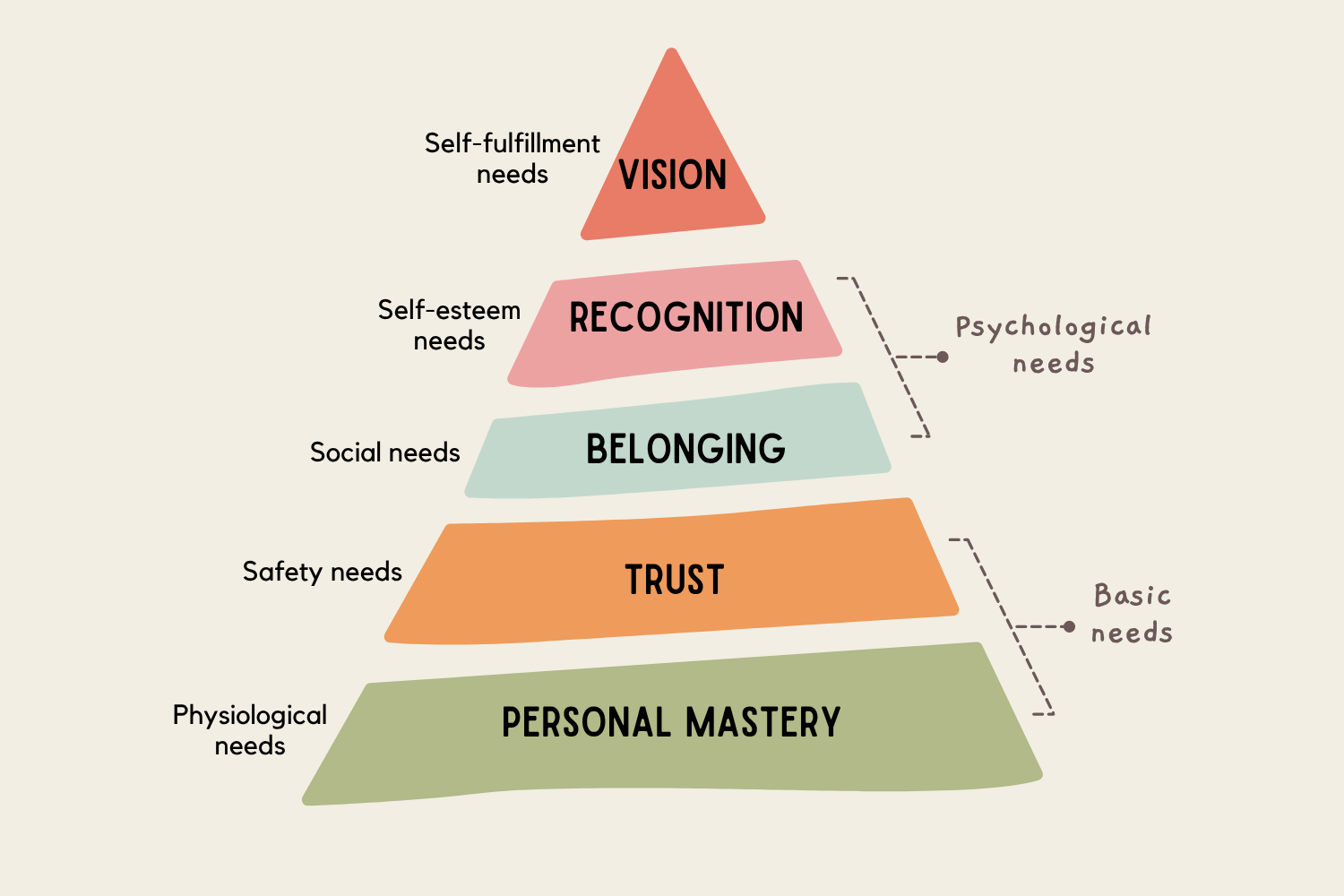
Maslow's Hierarchy of Needs
Abraham Maslow's five-level model of motivation, applied to leadership as a stack — mastery, trust, belonging, up through recognition and vision.

McKinsey 7S Framework
The McKinsey 7S model maps seven organizational pieces — Strategy, Structure, Systems, Shared Values, Style, Staff, Skills — to spot misalignment.
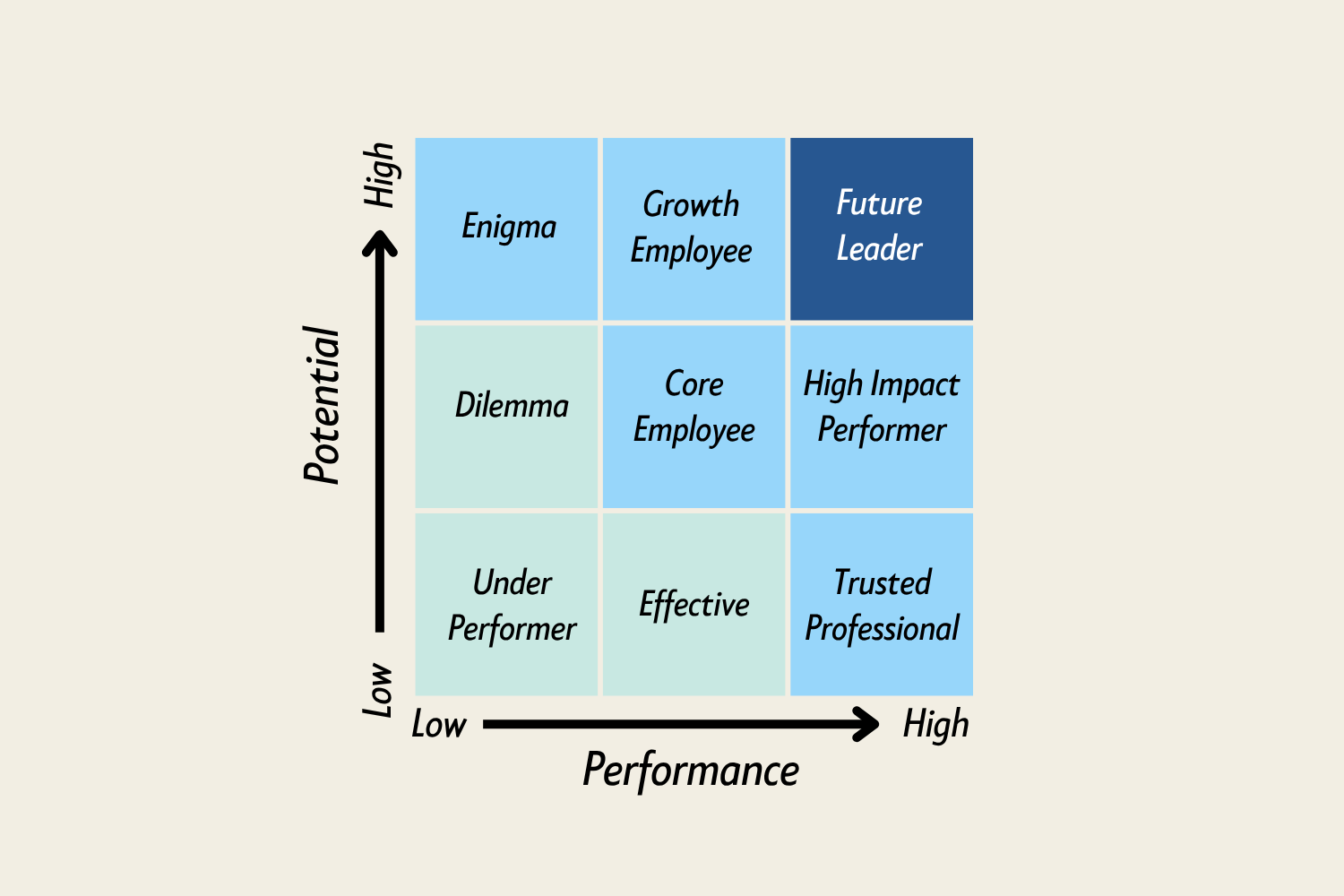
McKinsey 9-Box Model
A 3x3 grid that plots each person on performance against potential, giving nine distinct calls instead of one blurry verdict.

McKinsey's Three Horizons Model
Split your team's effort across three time frames — defend the core, grow what's emerging, seed future bets — without mortgaging tomorrow.

Mind Boxing
A six-box grid crossing People, Process, Product against Strategy and Tactics — deciding where your leadership time actually goes.

MoSCoW Method
A prioritization method sorting your plate into four buckets — Must have, Should have, Could have, Won't have — forcing trade-offs early.

Multipliers and Diminishers
Liz Wiseman's split between leaders who bring out best thinking in people around them, and those who shut it down.

Occam's Razor
Among competing explanations, pick the one with fewest assumptions — in leadership, diagnose simply, build lean, and say what actually matters.

OKR Model
Objectives and Key Results: pair an ambitious objective with measurable key results and the initiatives that move them.

OODA Loop
John Boyd's four-stage decision cycle — Observe, Orient, Decide, Act — for fast, adaptive calls under pressure, run as a loop.
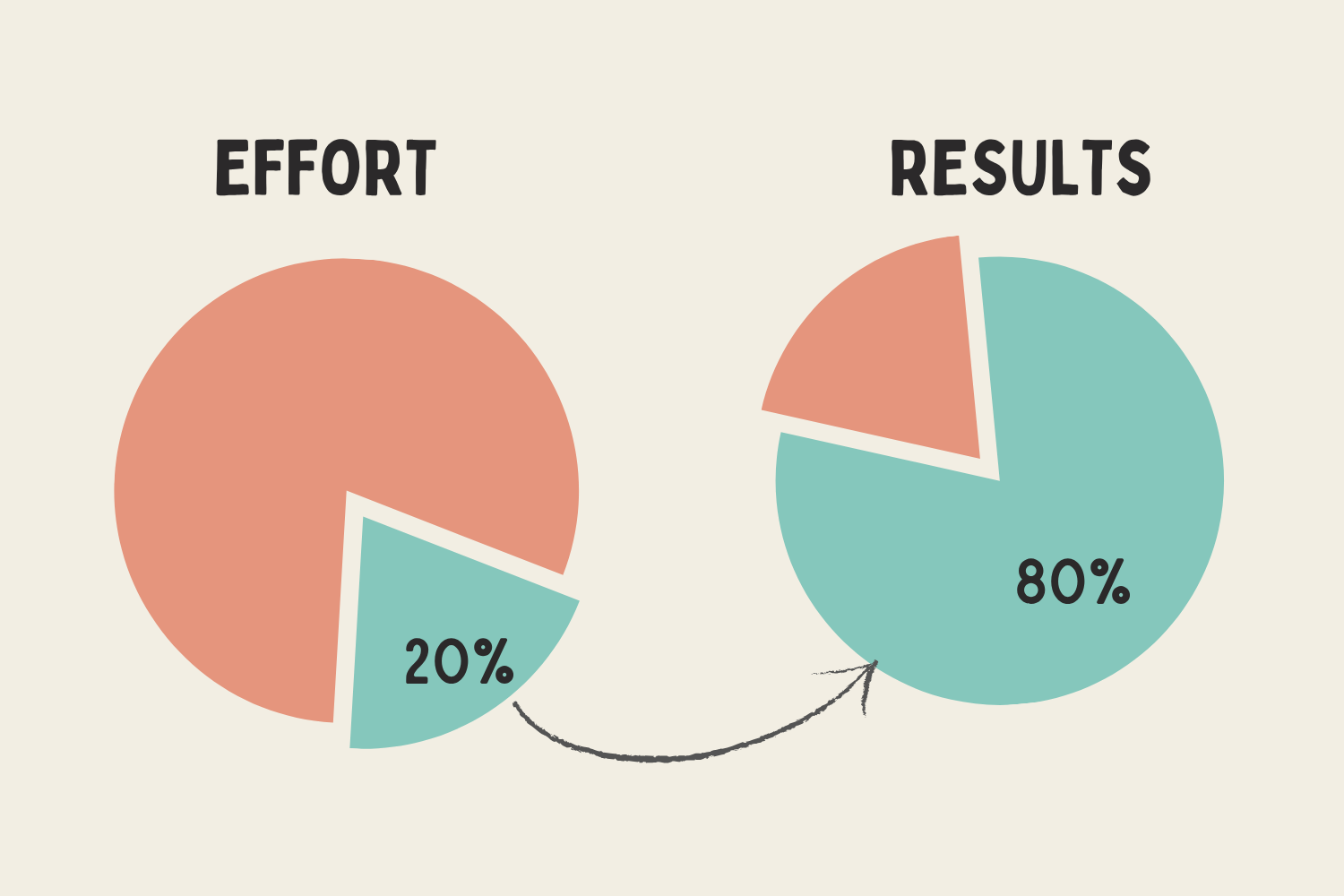
Pareto Principle
Roughly 80% of outcomes come from 20% of causes — find the vital few projects, people, and bottlenecks driving results.
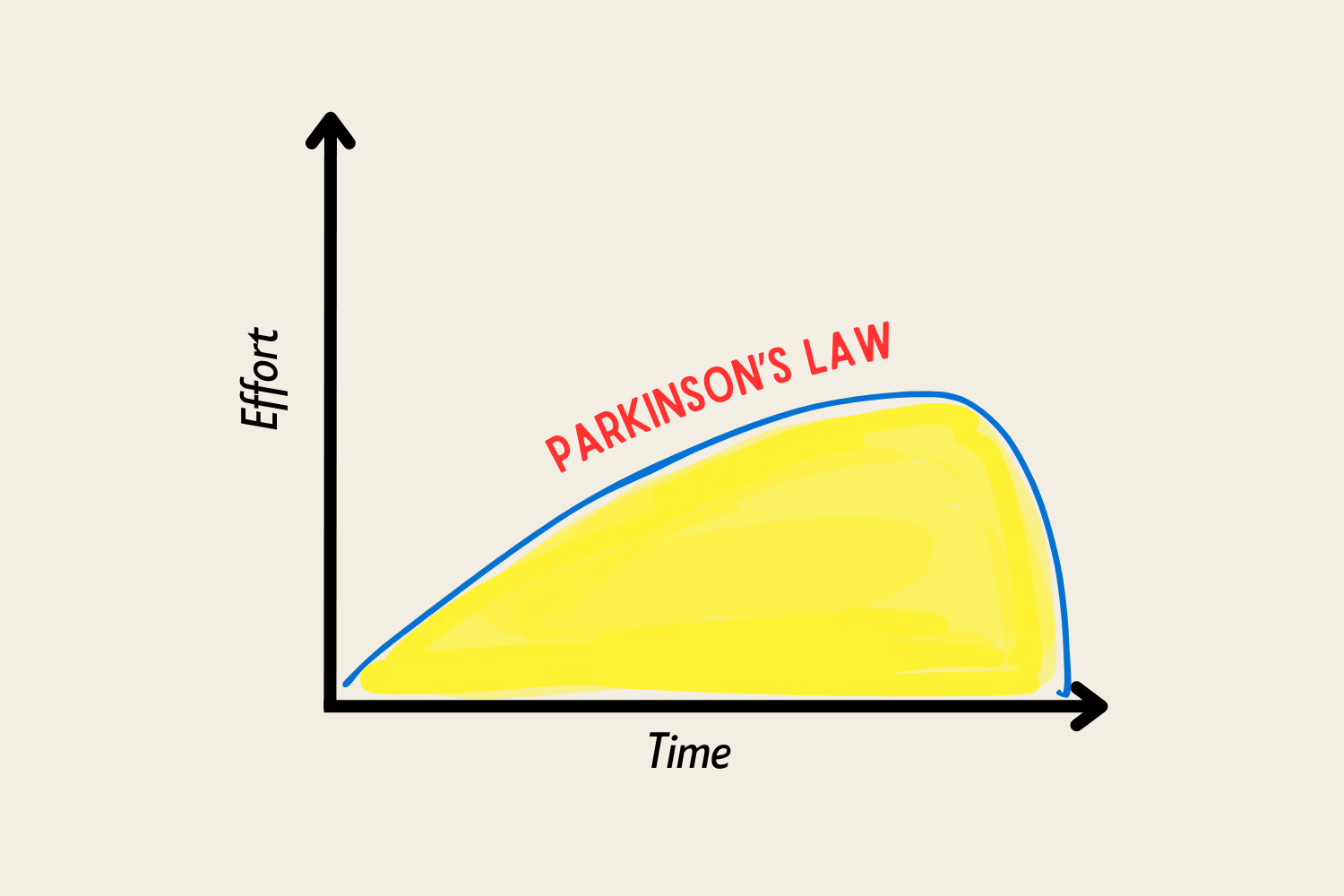
Parkinson's Law
Work expands to fill the time you give it — deadlines shape effort more than the work itself, so tighten deadlines.

Peter Principle
In a hierarchy, everyone rises to their level of incompetence, because promotion rewards your current job, not tomorrow's.

Porter's Five Forces
Porter's answer to why some industries are brutal for profit — five forces shaping any market, telling you where to compete.

Premortem Technique
Assume the project has failed by a specific date, then explain why — hindsight gets your team saying what they thought.

Probabilistic Thinking
Stop betting on one predicted future — assign real probabilities to outcomes, weigh them by impact, and let the math decide.
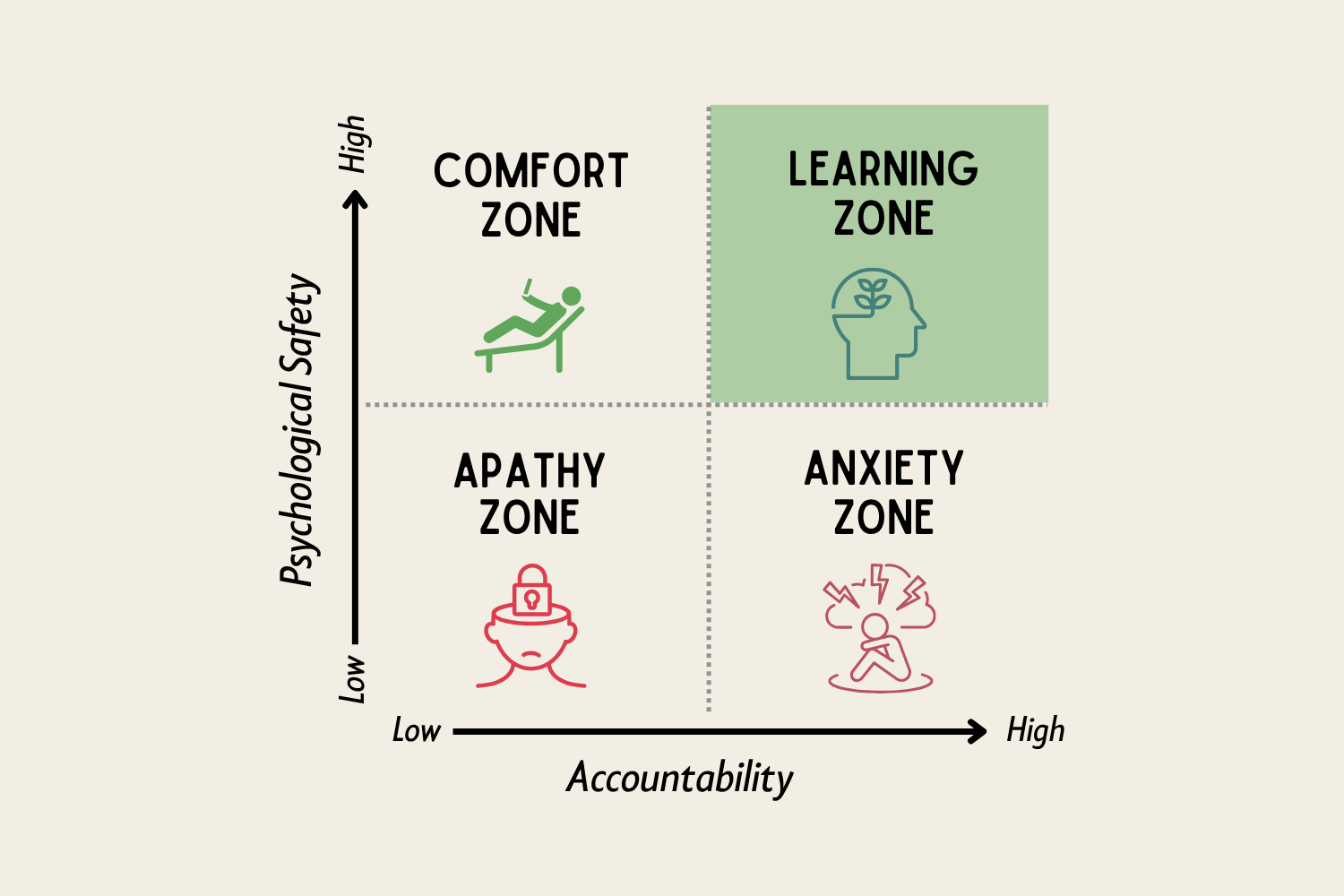
Psychological Safety
Amy Edmondson's finding that people must feel safe taking risks — a dumb question, a mistake — before a team can perform.
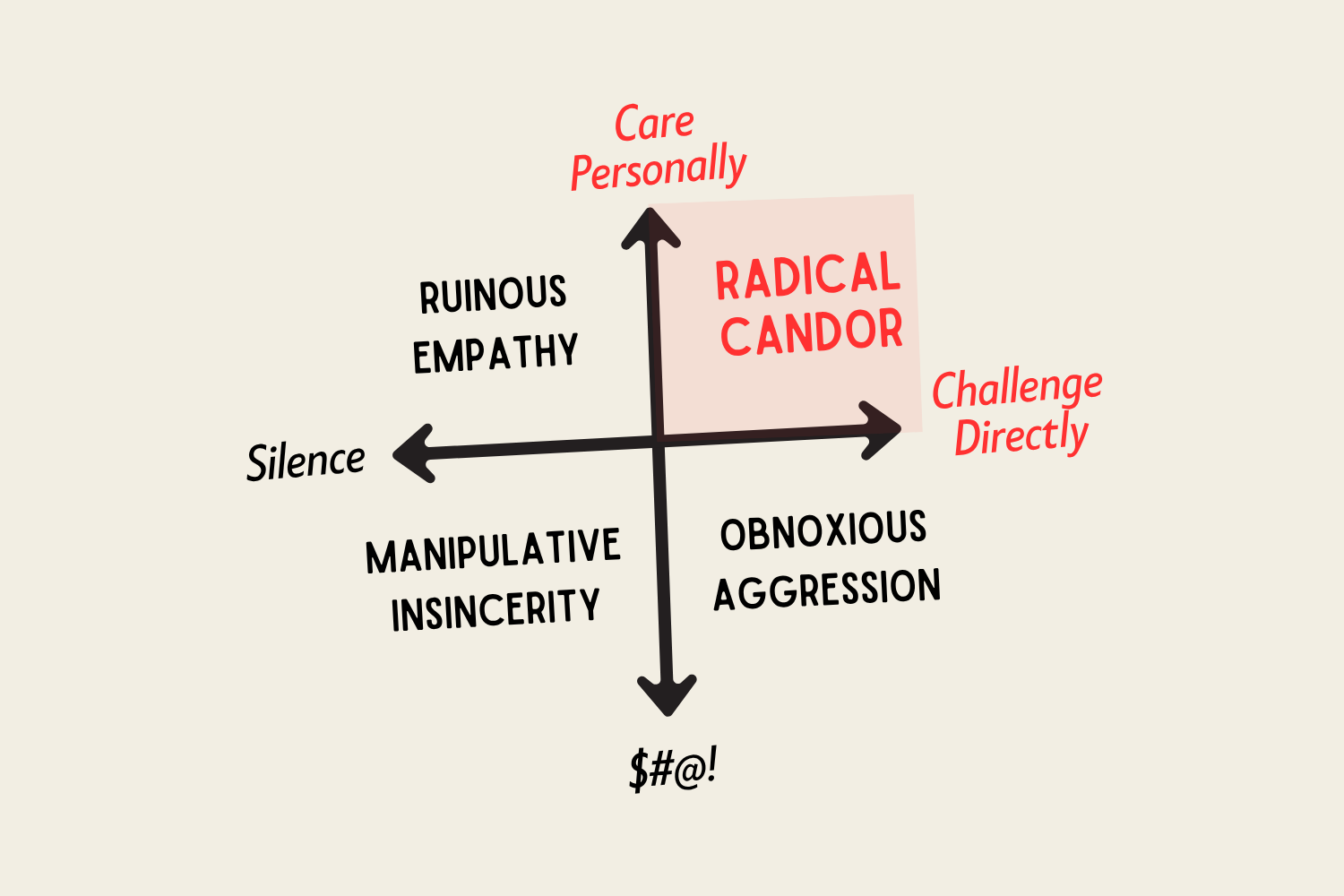
Radical Candor
Kim Scott's rule that good feedback means caring personally and challenging directly at once — a 2x2 for what goes wrong.
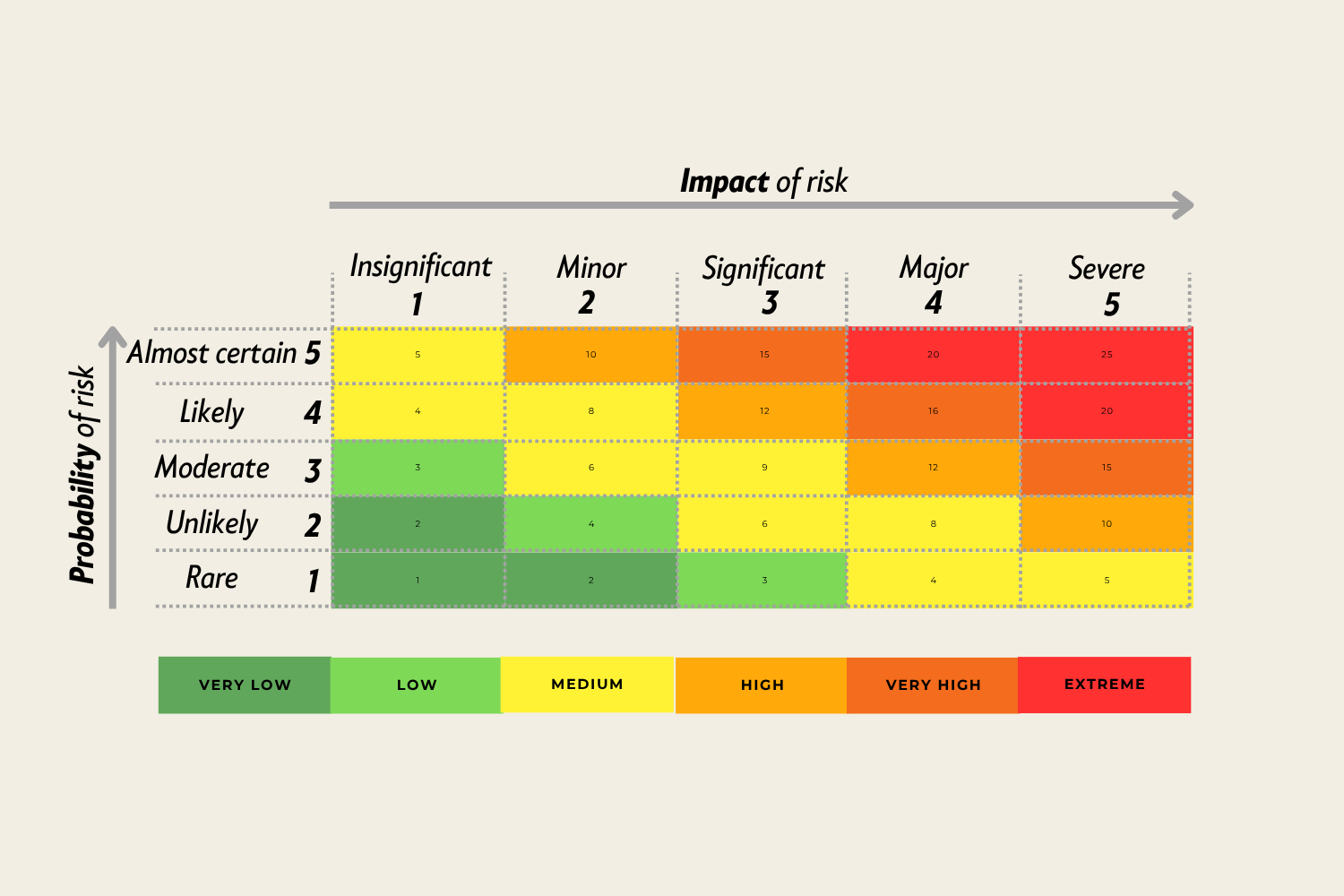
Risk Assessment Matrix
The grid for scoring risks by likelihood and impact, turning a messy list of worries into a ranked priority order.
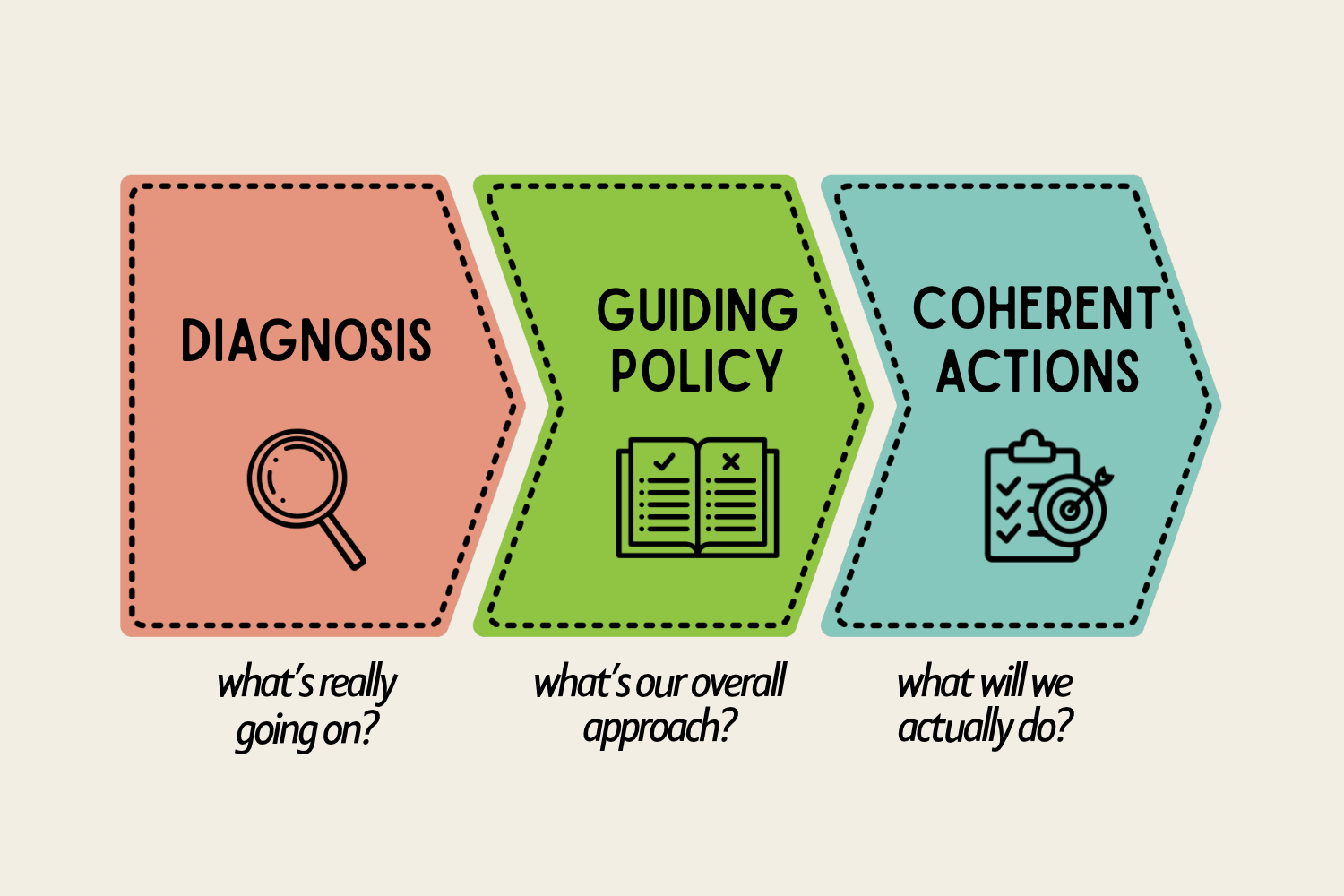
Rumelt's Kernel
Richard Rumelt's test for telling a real strategy from a list of goals — a diagnosis, a guiding policy, and coherent actions. Miss any one of the three and what you have is a wish, not a strategy.

SBI Model
Situation, Behavior, Impact — a three-part way to give feedback that stays specific and observable instead of judging someone's character.

SCAMPER Technique
Seven forced questions — Substitute, Combine, Adapt, Modify, Put to another use, Eliminate, Reverse — generating ideas by twisting what exists.
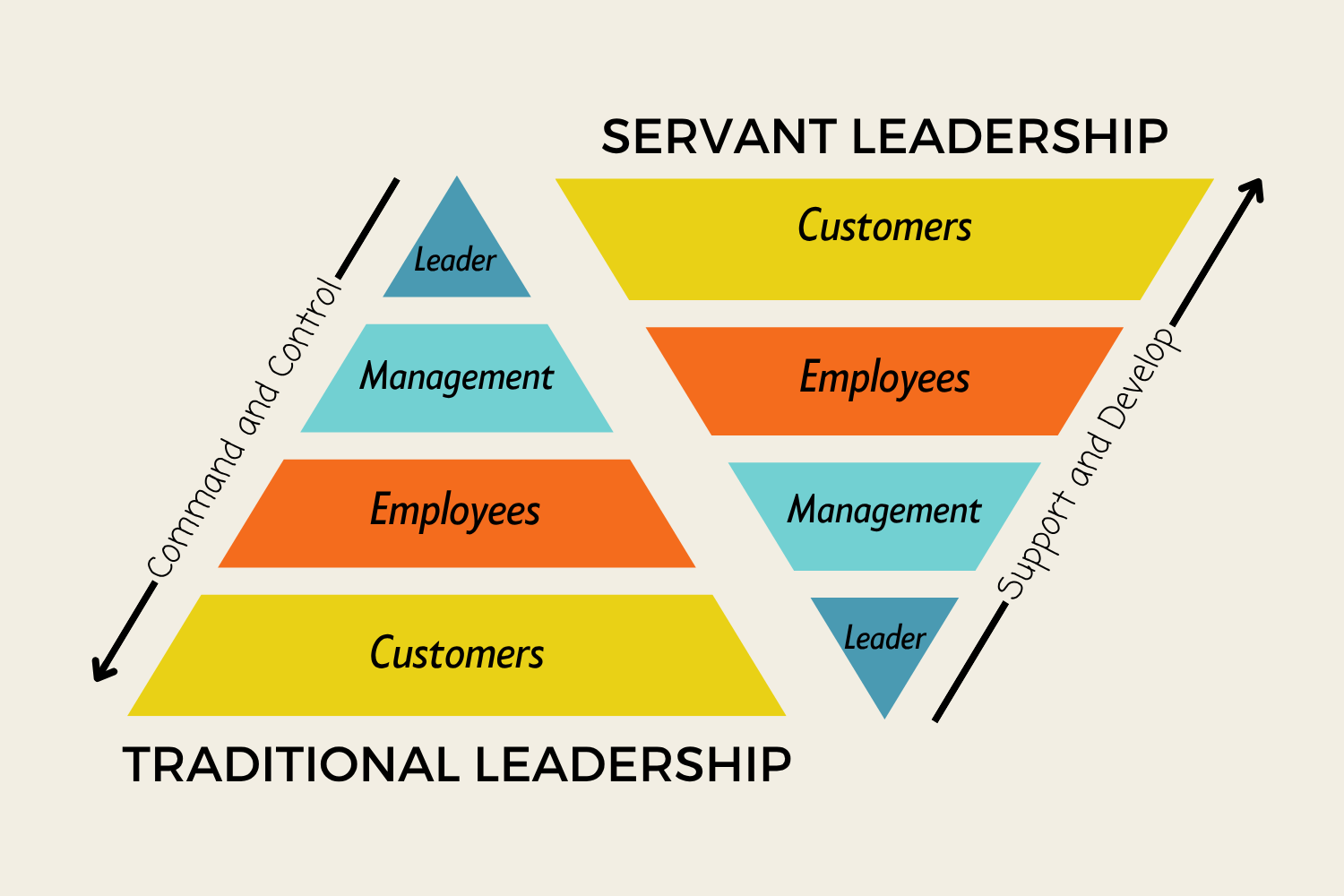
Servant Leadership
Flip "how can my team help me?" to "how can I help my team?" — job becomes removing obstacles, growing people.
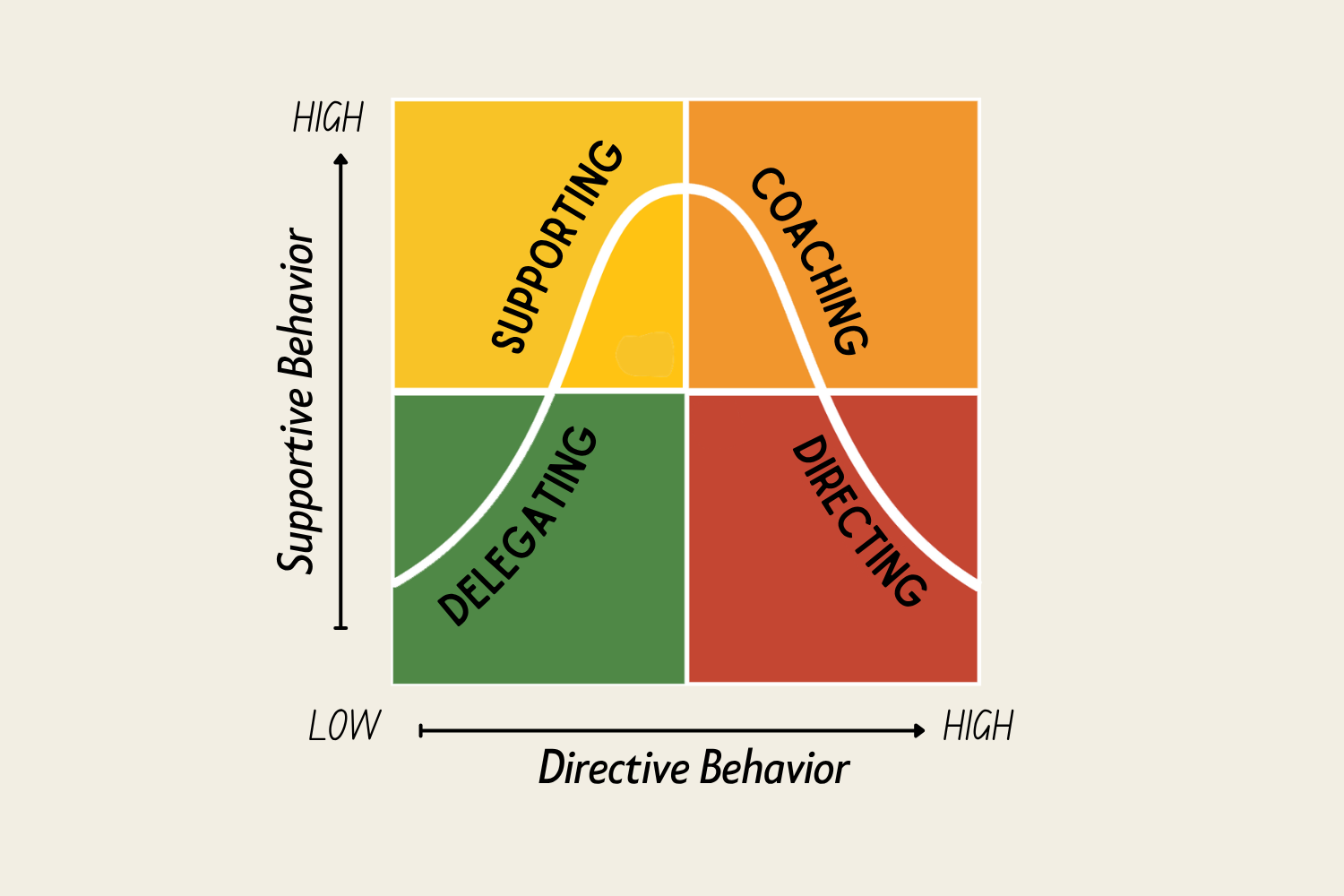
Situational Leadership
There's no right way to lead — only the right way for this person right now: direct, coach, support, or delegate.

Six Sigma
A data-driven way to remove root causes of defects, via the DMAIC cycle: define, measure, analyze, improve, control.

SMART Goals
A five-letter test for turning an intention into an executable goal: Specific, Measurable, Achievable, Relevant, Time-bound — easy to get wrong.

Spiral Dynamics
Eight color-coded value systems shaping what people care about at work — success, purpose, relationships — matched to stop guessing motivation.

STAR Technique
Turn an experience into evidence in four parts — Situation, Task, Action, Result — to advocate for your people, make the case.
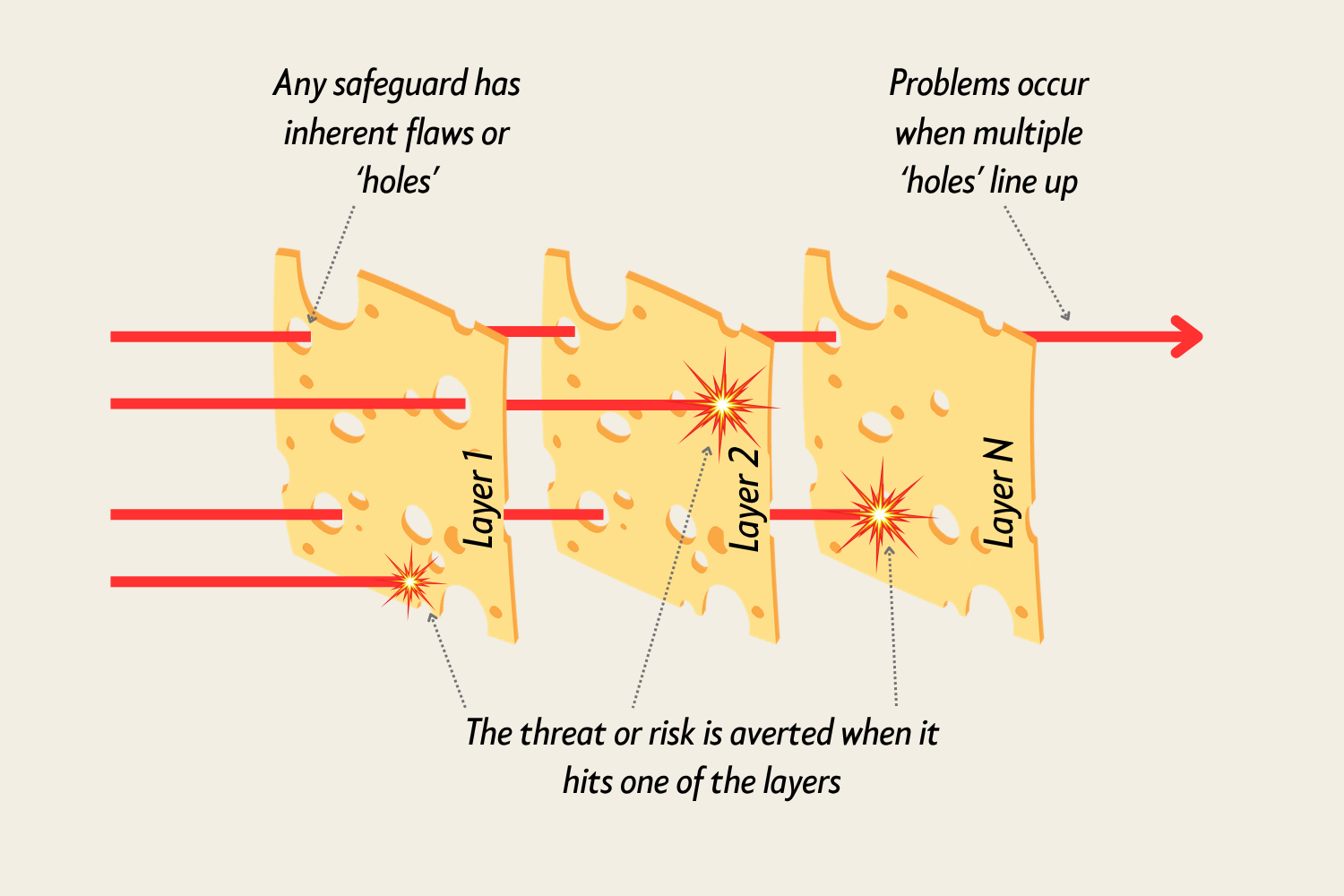
Swiss Cheese Model
Every layer of defense has holes — failure gets through only when several holes line up — fix is redundancy, not perfection.

SWOT Analysis
A four-box check on Strengths, Weaknesses, Opportunities, Threats — splitting what you control from what you don't before deciding what's next.
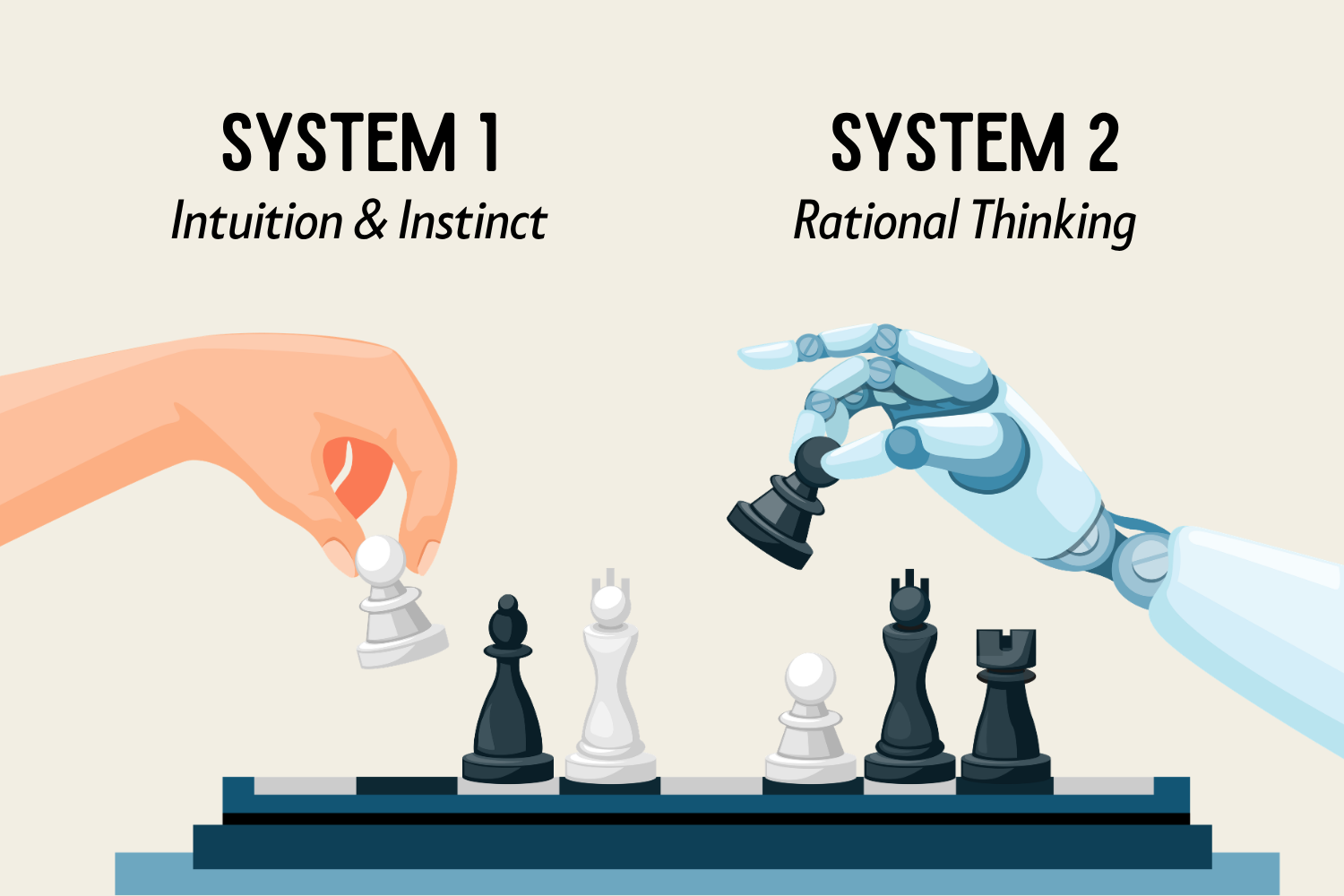
System 1 and System 2 Thinking
Your brain runs fast, gut-level System 1 and slow, deliberate System 2 — knowing which a moment needs is the skill.
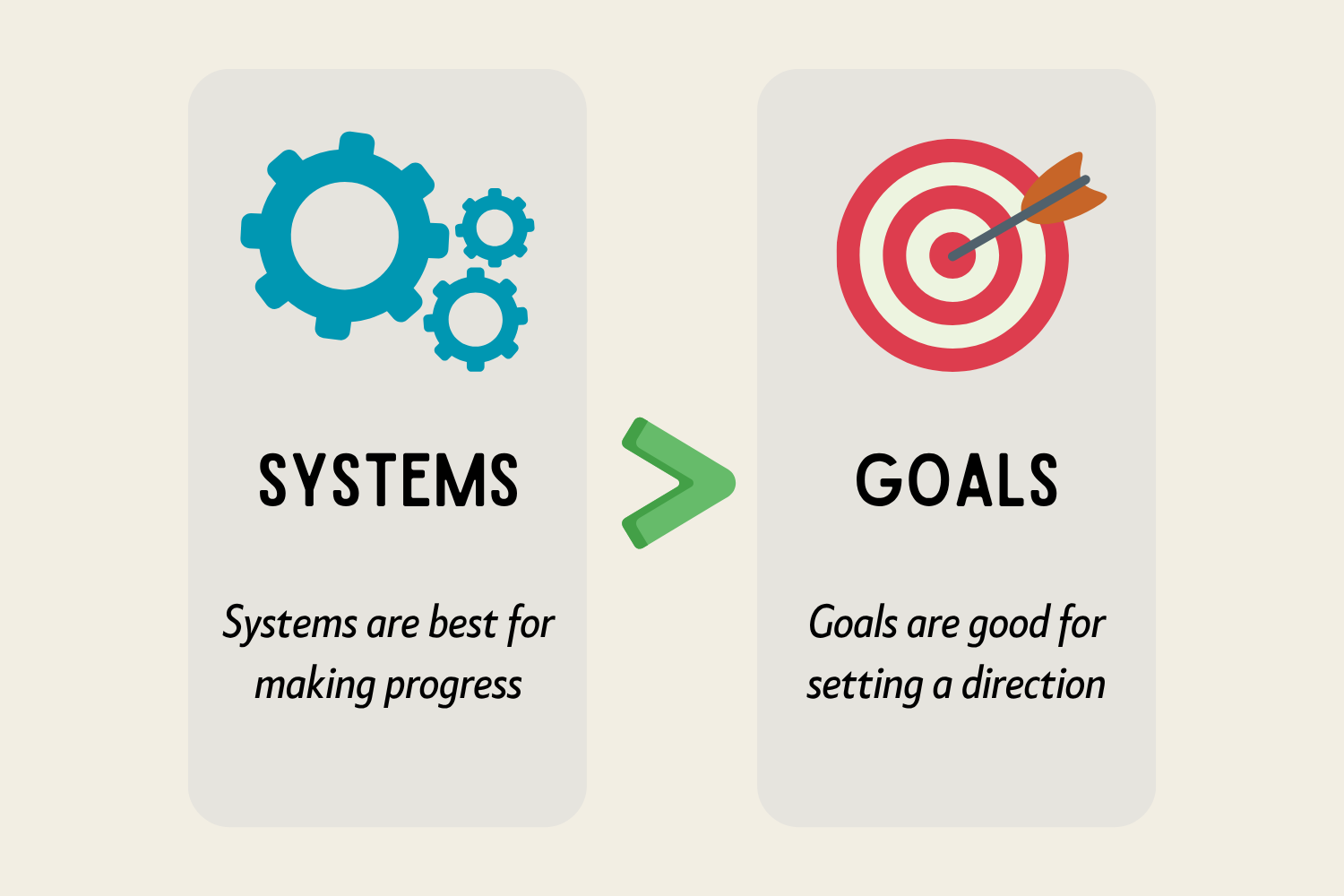
Systems > Goals
Results come from repeatable habits, not targets — turn every goal into a system of leading behaviors you design and track.

T-GROW
A five-stage coaching structure — Topic, Goal, Reality, Options, Way Forward — that names what's actually worth discussing before it moves you from where you are to where you want to be.

The 3 Conditions for Change
A team can agree in the room and change nothing after — change needs three conditions at once: Willingness, Desire, Courage.

The 3 Pillars of Smart Work
Smart work isn't doing less — it's efficiency, creativity, and discipline together, not permission to coast on "work smart, not hard."
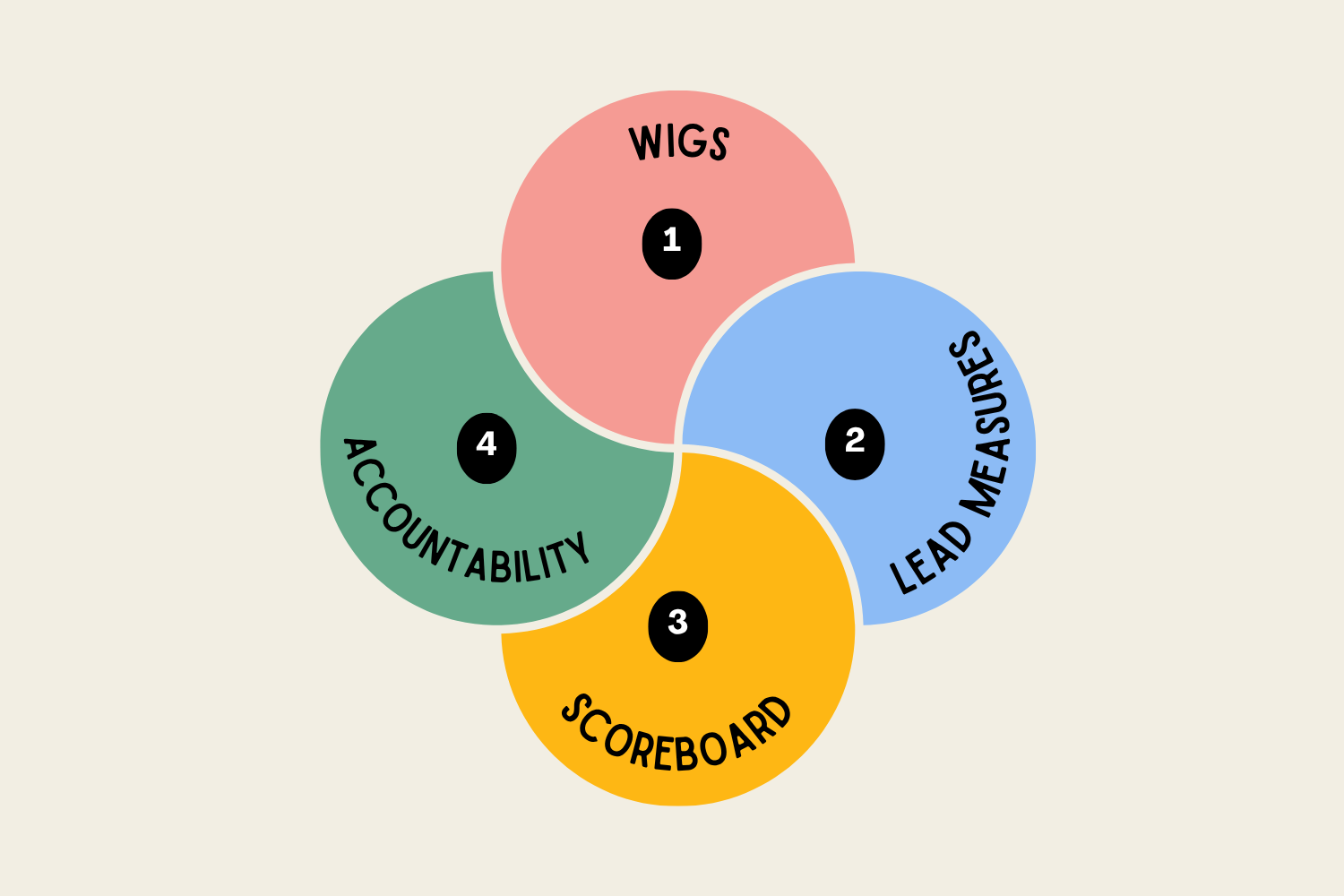
The 4 Disciplines of Execution
Four disciplines for hitting your important goals: narrow focus, act on lead measures, keep a visible scoreboard, run weekly accountability.

The 5 Whys
Ask "why" repeatedly — about five times — until you move past the symptom and land on the cause you can fix.

The 6 Human Needs
Every behavior at work is really an unmet need in disguise — six needs, popularized by Tony Robbins, worth checking first.
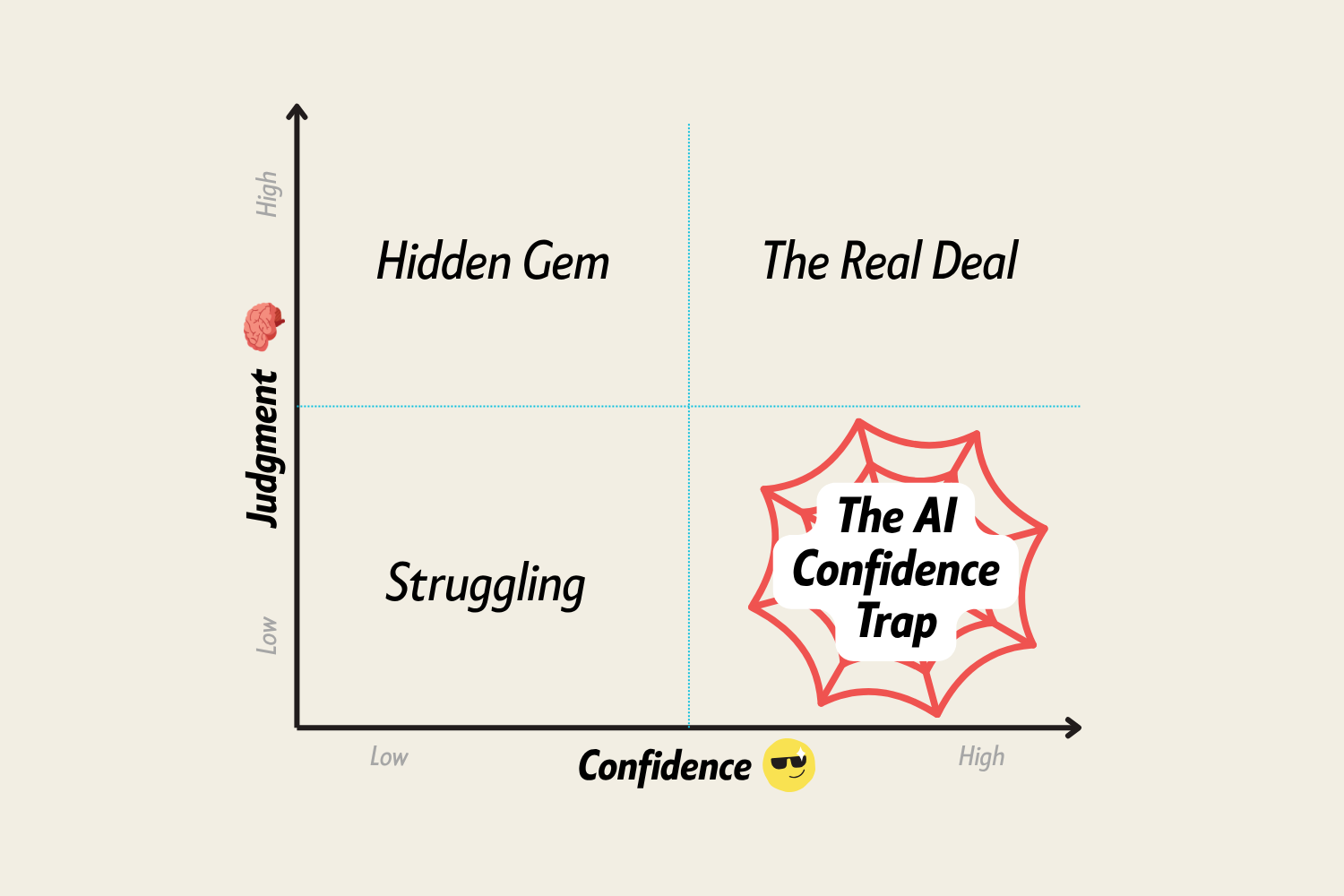
The AI Confidence Trap
AI-polished output can look like real competence when the thinking behind it isn't there — judge the reasoning, not the polish.

The AI Culture Stack
Same AI tools and budget, wildly different results — the gap isn't the technology, it's three layers underneath: permission, fluency, judgment.

The AI Fluency Framework
AI fluency isn't a prompting skill — it's the same four competencies that make someone a good manager: delegating, briefing, reviewing, and owning.
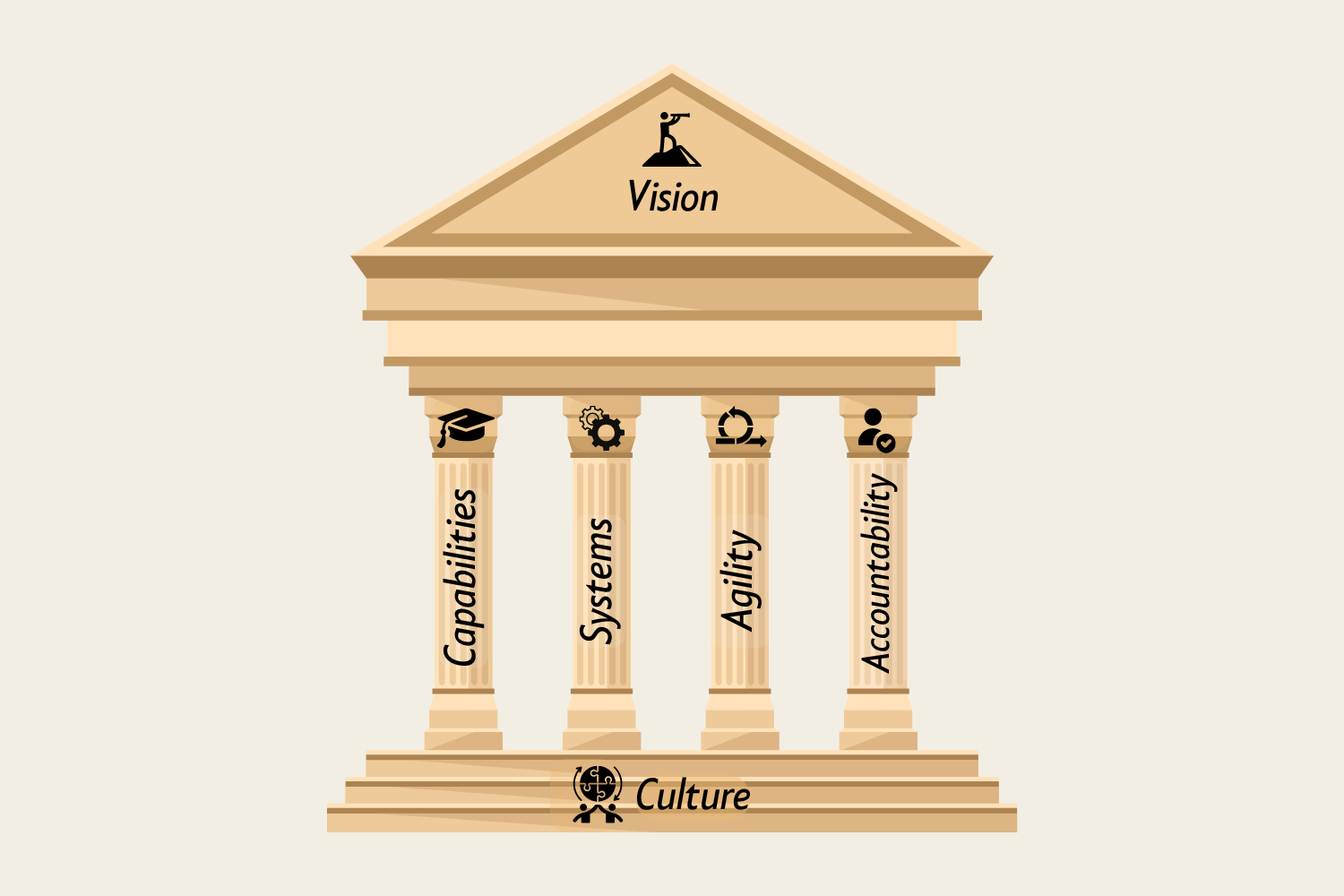
The Architecture of High-Performing Teams
Six elements, built like a temple — culture as the base, four pillars, vision as the roof — name the missing piece.

The Bannister Effect
One person breaking a barrier makes it stop being fixed for everyone else — break the unspoken belief in public first.

The Double Diamond
A four-stage process that separates problem space from solution space — expand then narrow each — so you solve the right problem.

The Five Dysfunctions of a Team
Lencioni's pyramid of five team-killing behaviors — a lack of trust at the base drags everything above it down.
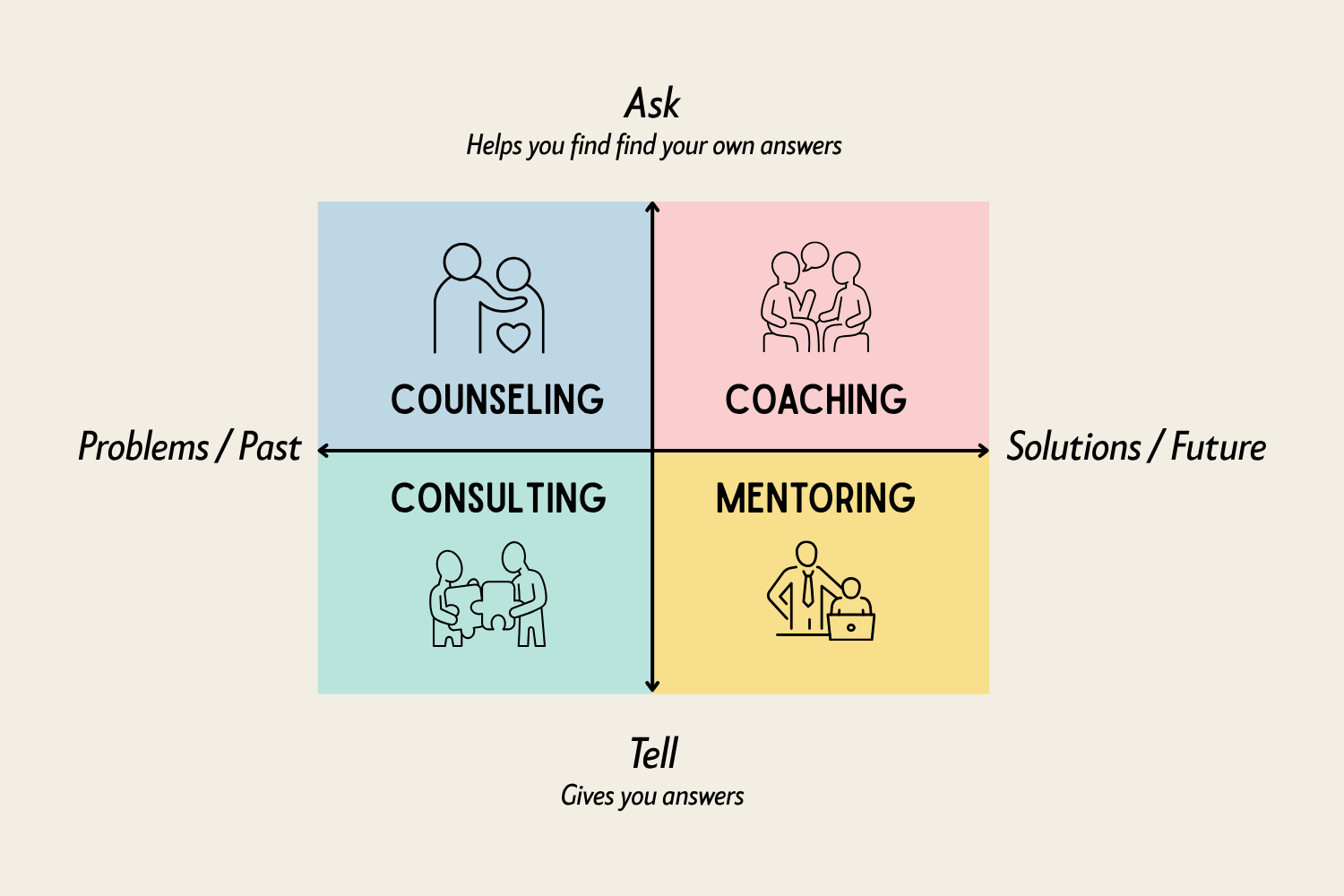
The Four Leadership Support Roles
A 2x2 separating four modes for helping someone — coaching, mentoring, counseling, consulting — plus a test for picking the right one.

The Four Temperaments
An ancient personality model — Sanguine, Choleric, Melancholic, Phlegmatic — a fast vocabulary for reading your style, your team, and your boss.

The Golden Circle
Simon Sinek's three-ring model: most leaders talk What, How, Why — inspiring ones flip it, because belief precedes product.

The Hedgehog Concept
Jim Collins' test for finding what your team should be built around — where passion, potential, and results overlap.
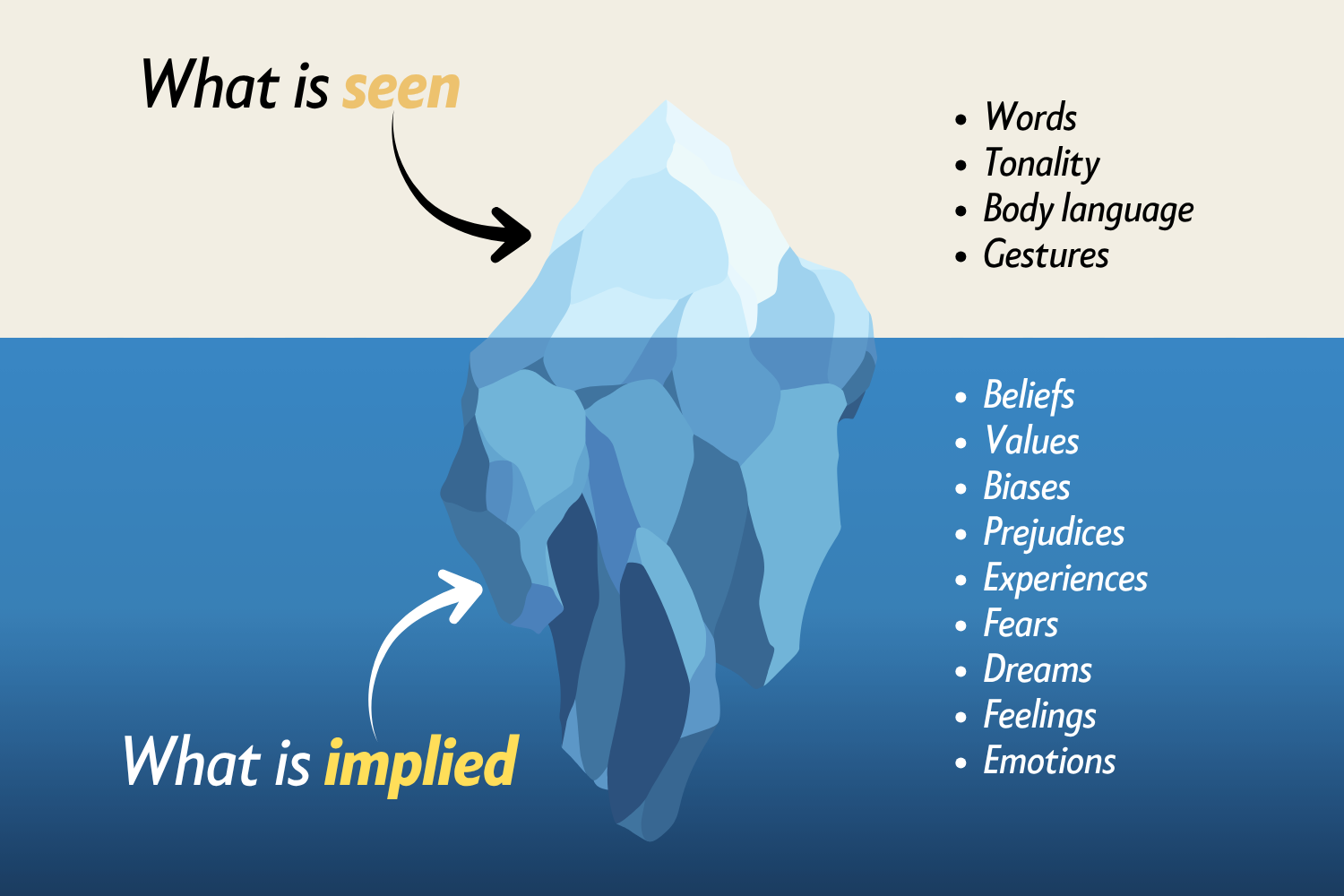
The Hemingway Iceberg Technique
A communication method from Hemingway's writing — say less, cut the padding, use specifics — letting what's unsaid carry the weight.
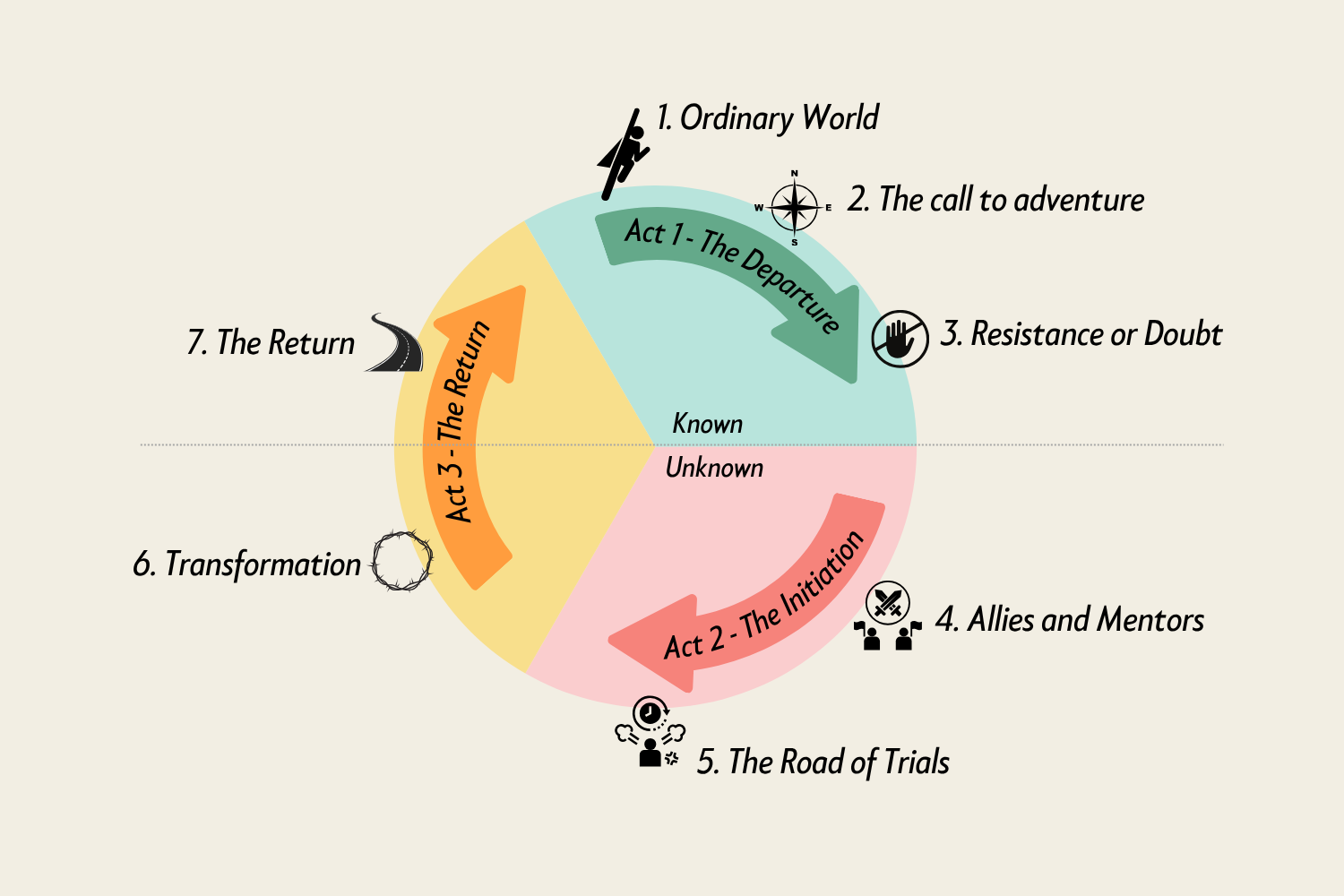
The Hero's Journey
Joseph Campbell's story arc — struggle, growth, return — turned into a structure for leadership storytelling people remember and act on.

The Iceberg Model
Underneath an event sits a pattern, a structure, then the beliefs that built it — fix the wrong layer.

The Influence Flywheel
A model for building influence without authority — five reinforcing spokes: Credibility, Connection, Clarity, Communication, Courage — building on each other.

The Inner Drive
A leadership take on Daniel Pink's *Drive* that turns three conditions for motivation — autonomy, mastery, purpose — into habits for 1:1s.

The Innovator's Dilemma
Clayton Christensen's explanation for why great companies fail doing everything right — serving your best customers blinds you to cheap newcomers.

The Insecurity Loop
A model of how insecurity, disguised as ego, shame, or control, drives a self-feeding cycle that pushes your team away.

The Leadership Code
Leadership runs on three traits — head, gut, heart — each toxic alone: competence without character is arrogance, courage without it reckless.
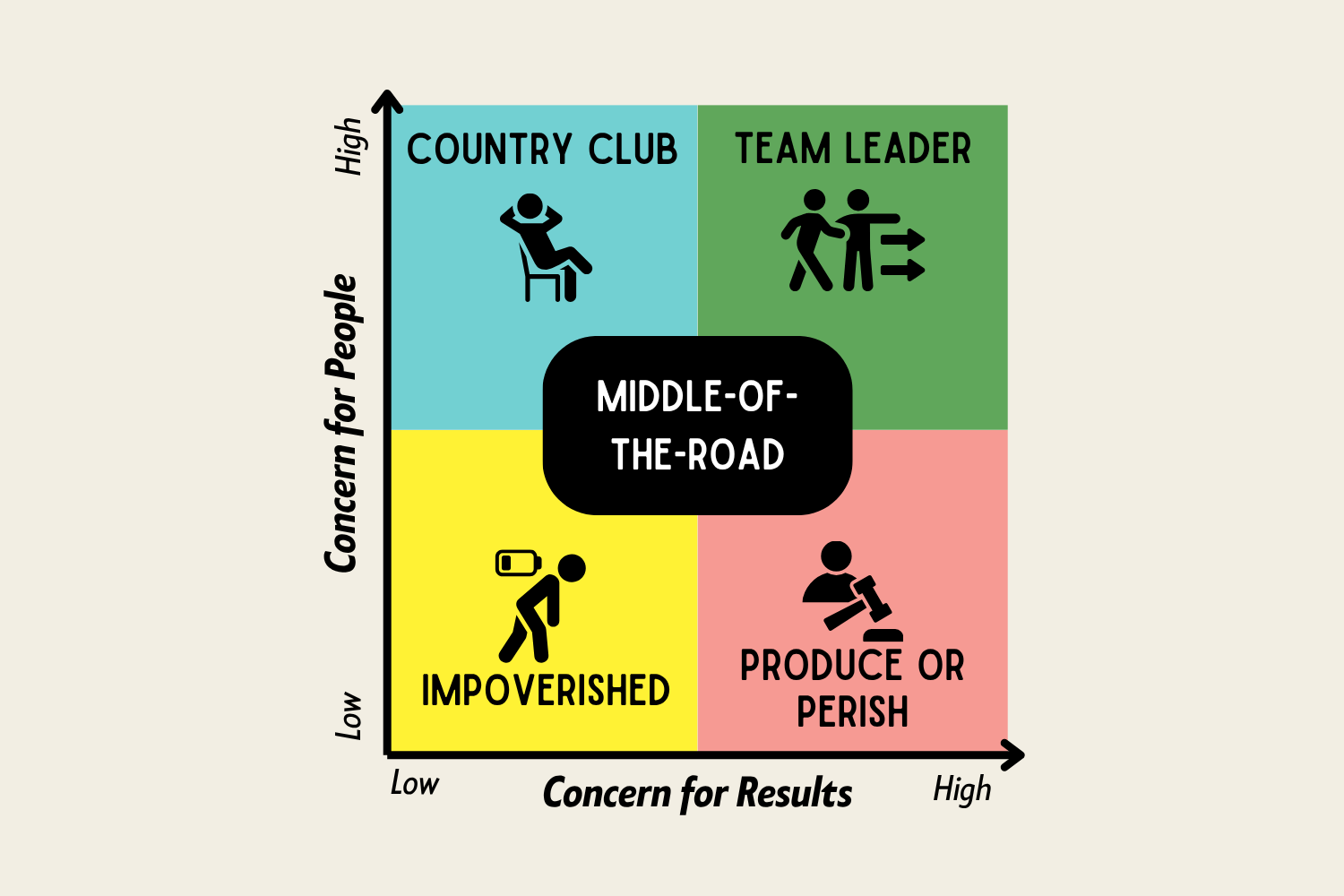
The Leadership Grid
Blake and Mouton mapped two axes — care for people, care for results — into five leadership styles you'll recognize instantly.
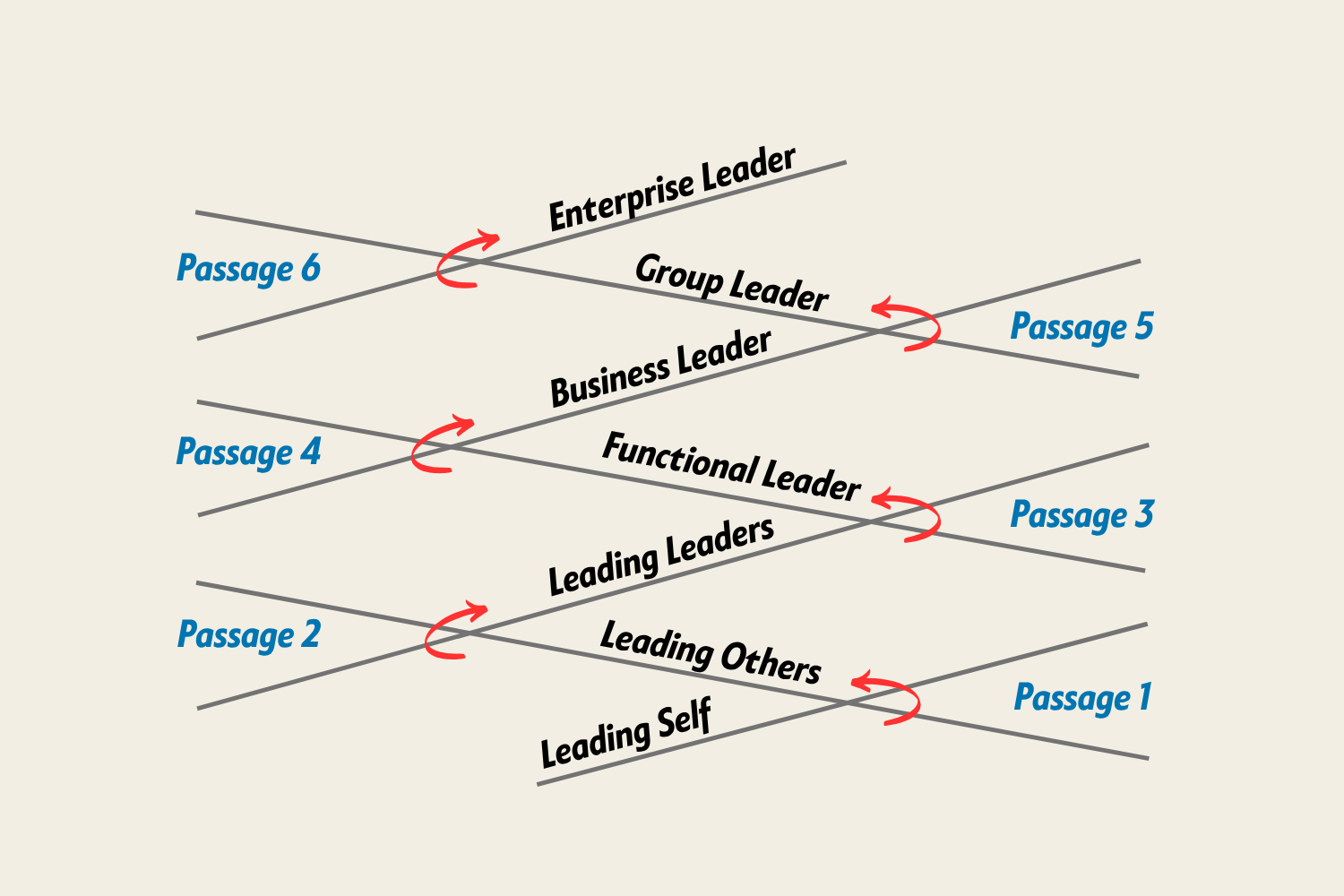
The Leadership Pipeline
Ram Charan mapped six passages into bigger leadership roles — at each one, old habits are exactly how you stall.
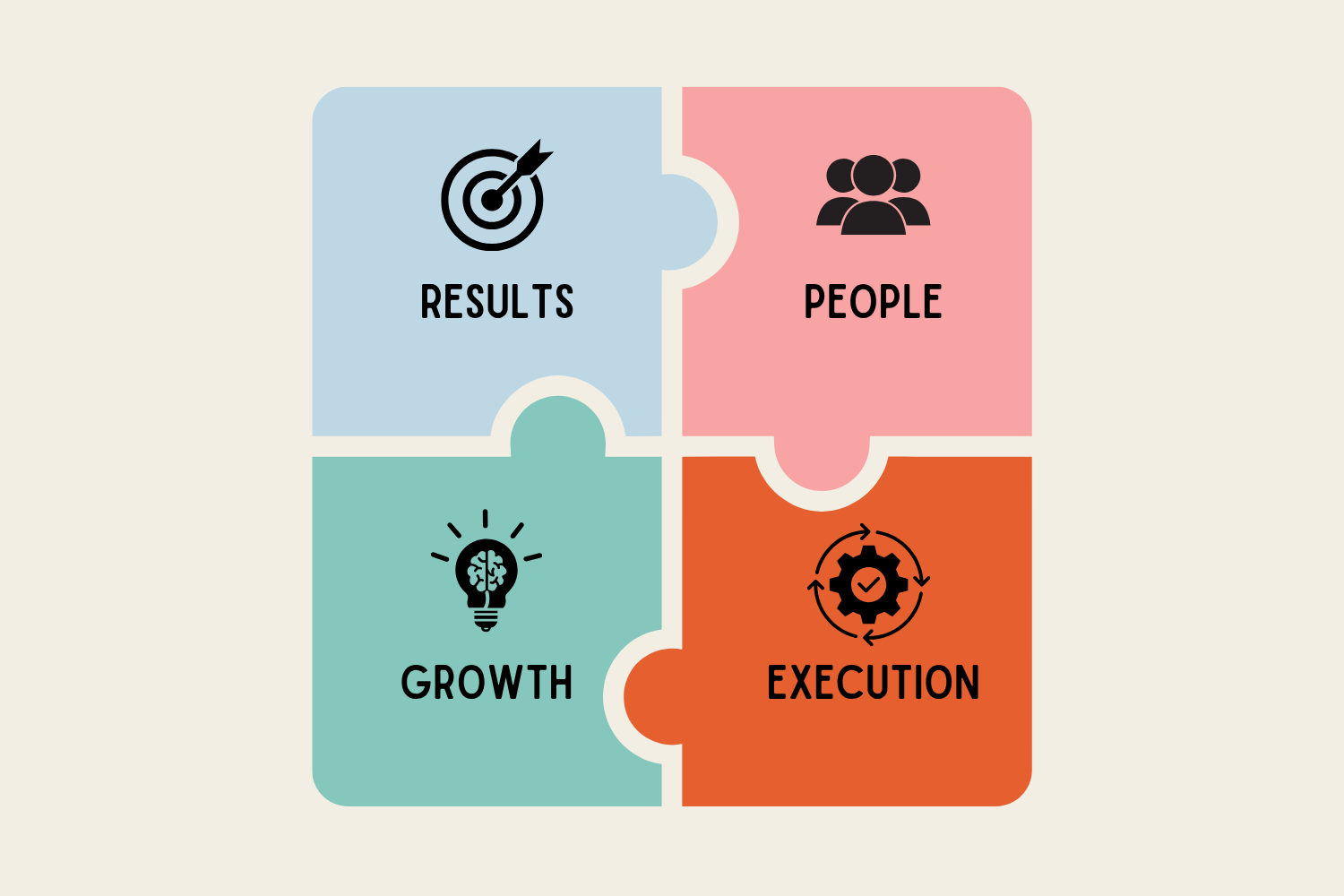
The Leadership Scorecard
A personal take on the Balanced Scorecard — Results, People, Execution, Growth — catching which one you're quietly neglecting.

The Power-Interest Grid
Plot each person by power and interest to know who to manage closely, who to keep happy, who needs updates.

The Pygmalion Effect
What you expect from someone leaks into how you treat them, which shapes what they become — for better or worse.
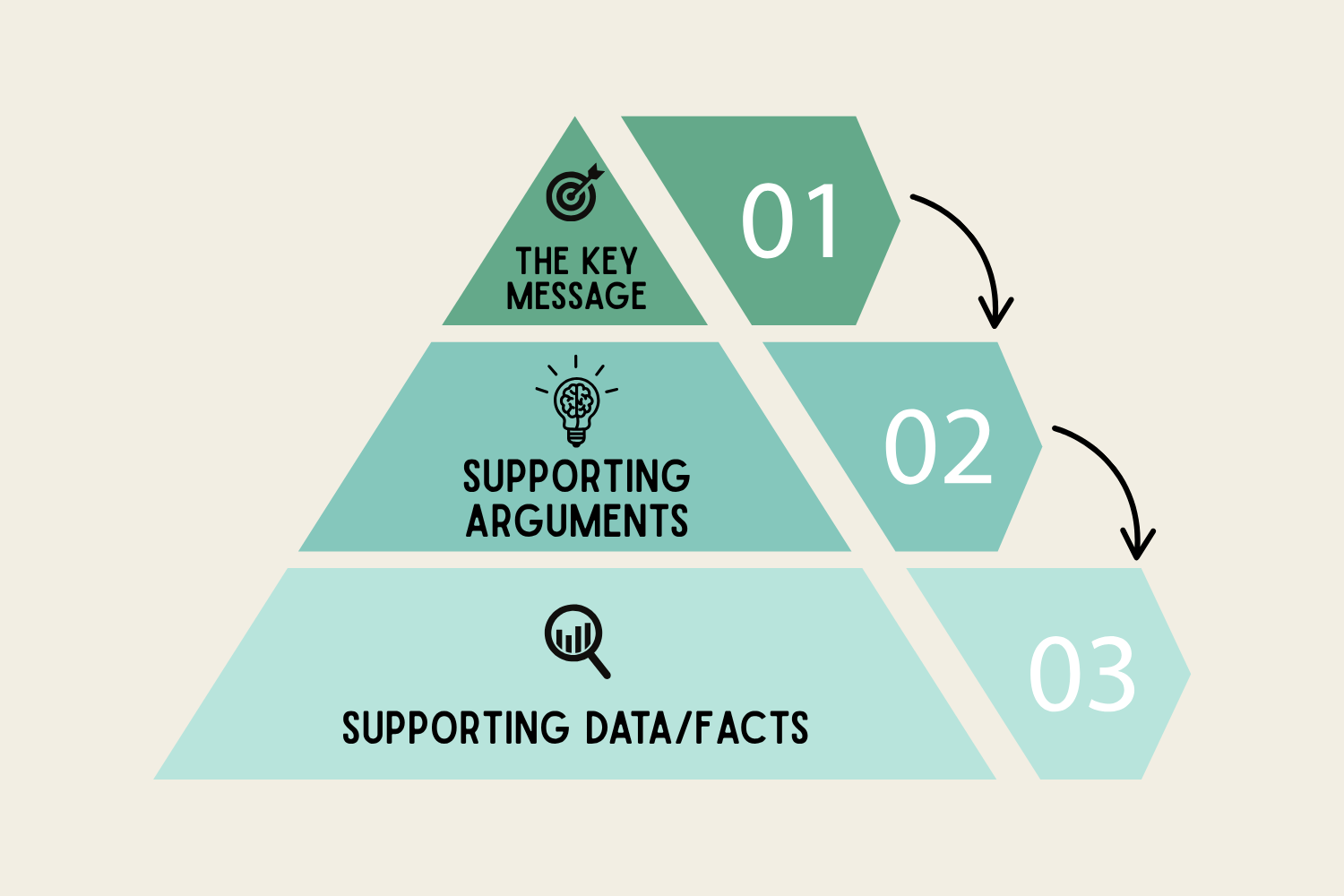
The Pyramid Principle
Barbara Minto's McKinsey-born rule: lead with your conclusion, back it with 2 to 4 grouped arguments, support each with evidence.

The Six Thinking Hats
Get your whole team thinking in the same mode at once — facts, emotions, risk, benefits, creativity, process — covering every angle.
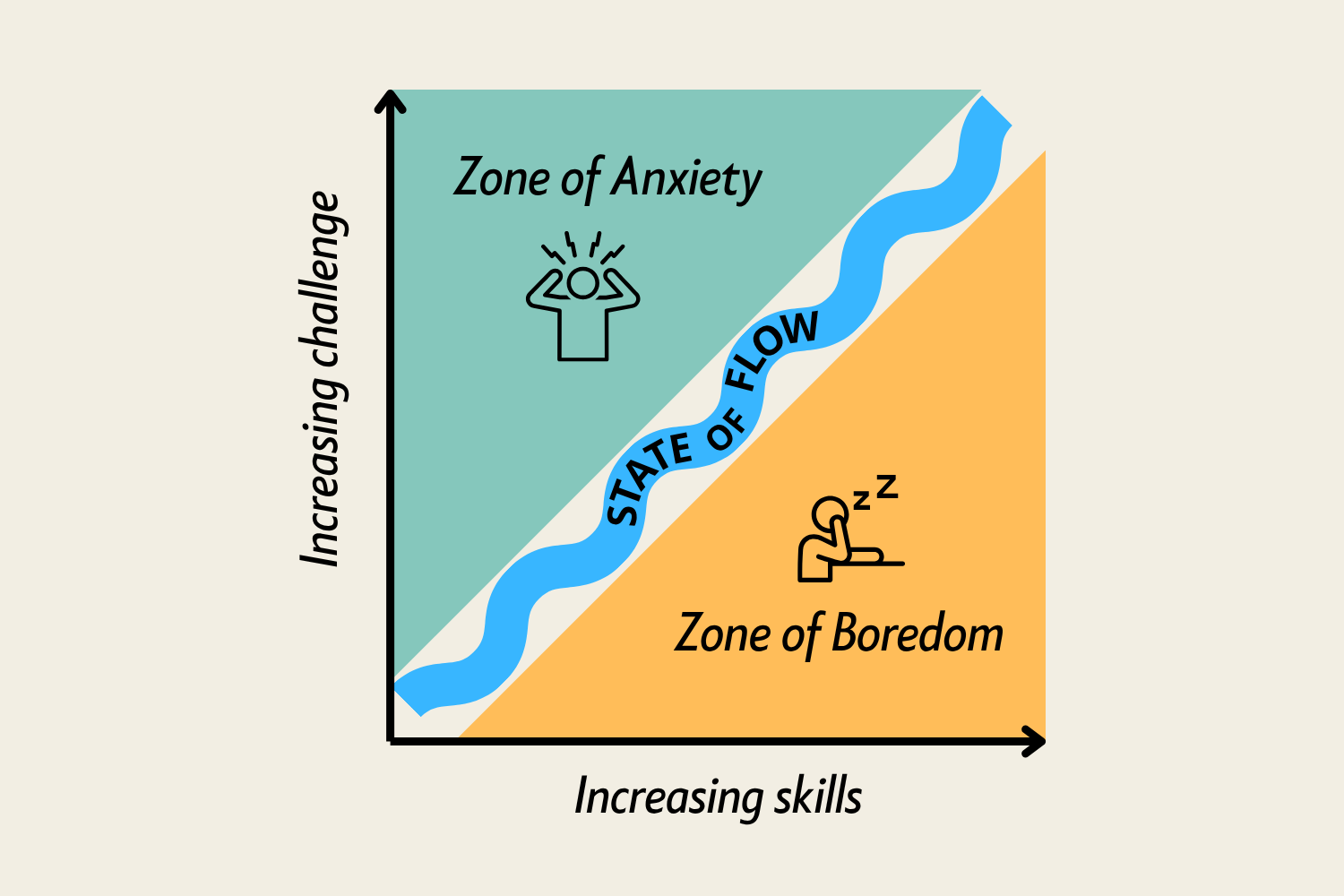
The State of Flow
The zone between anxiety and boredom, where challenge meets skill — your job is moving each person, with a different push.
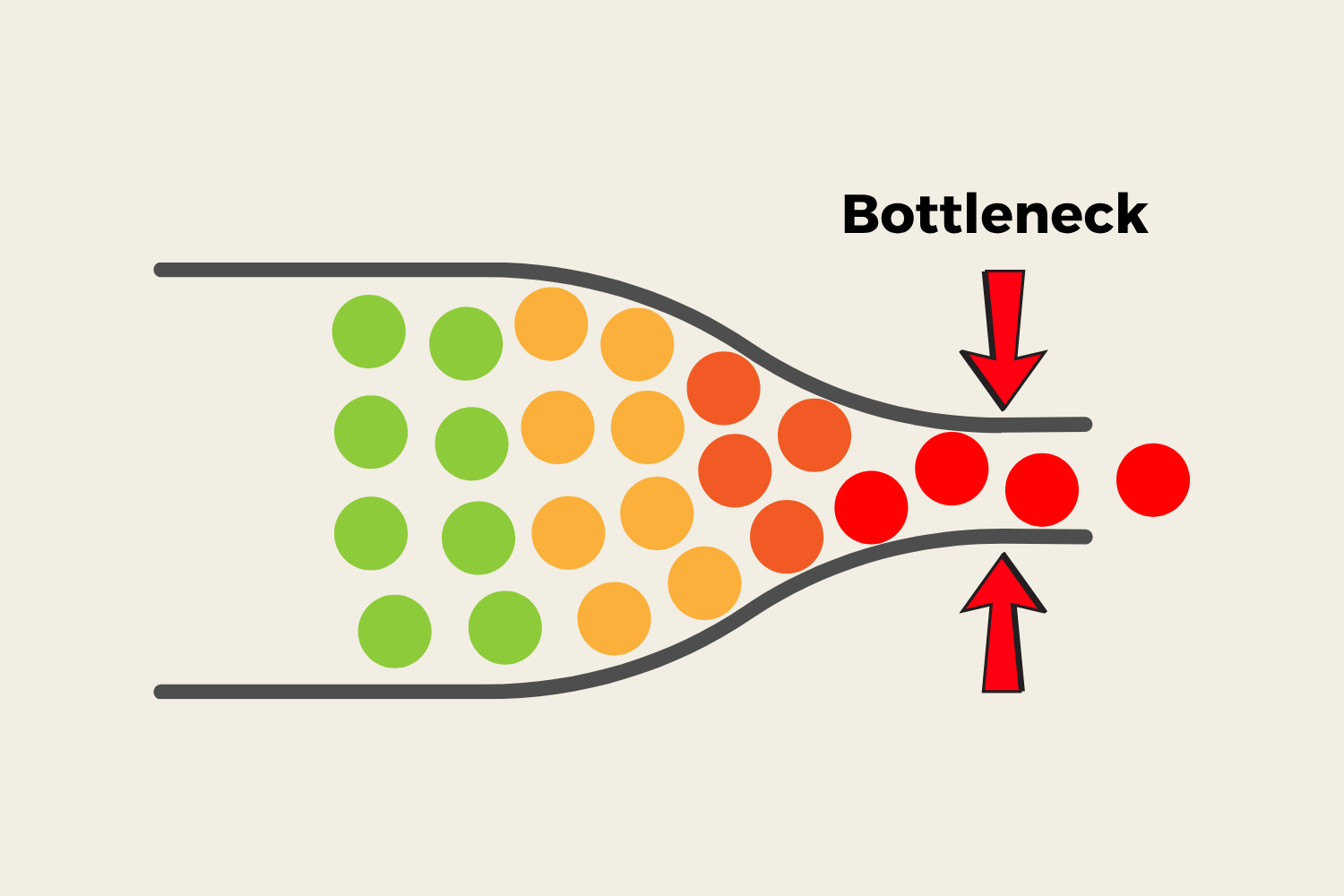
The Theory of Constraints
Every system has a bottleneck that caps everything it can produce — find that one constraint and put your energy there.

The Thomas-Kilmann (TKI) Model
Five conflict styles, two dials — how hard you push, how much room you give — chosen on purpose, not by default.

The Three Brains Framework
Three systems compete to drive your response — reactive, emotional, thinking. Pause, align, choose — that's how you decide which one leads.
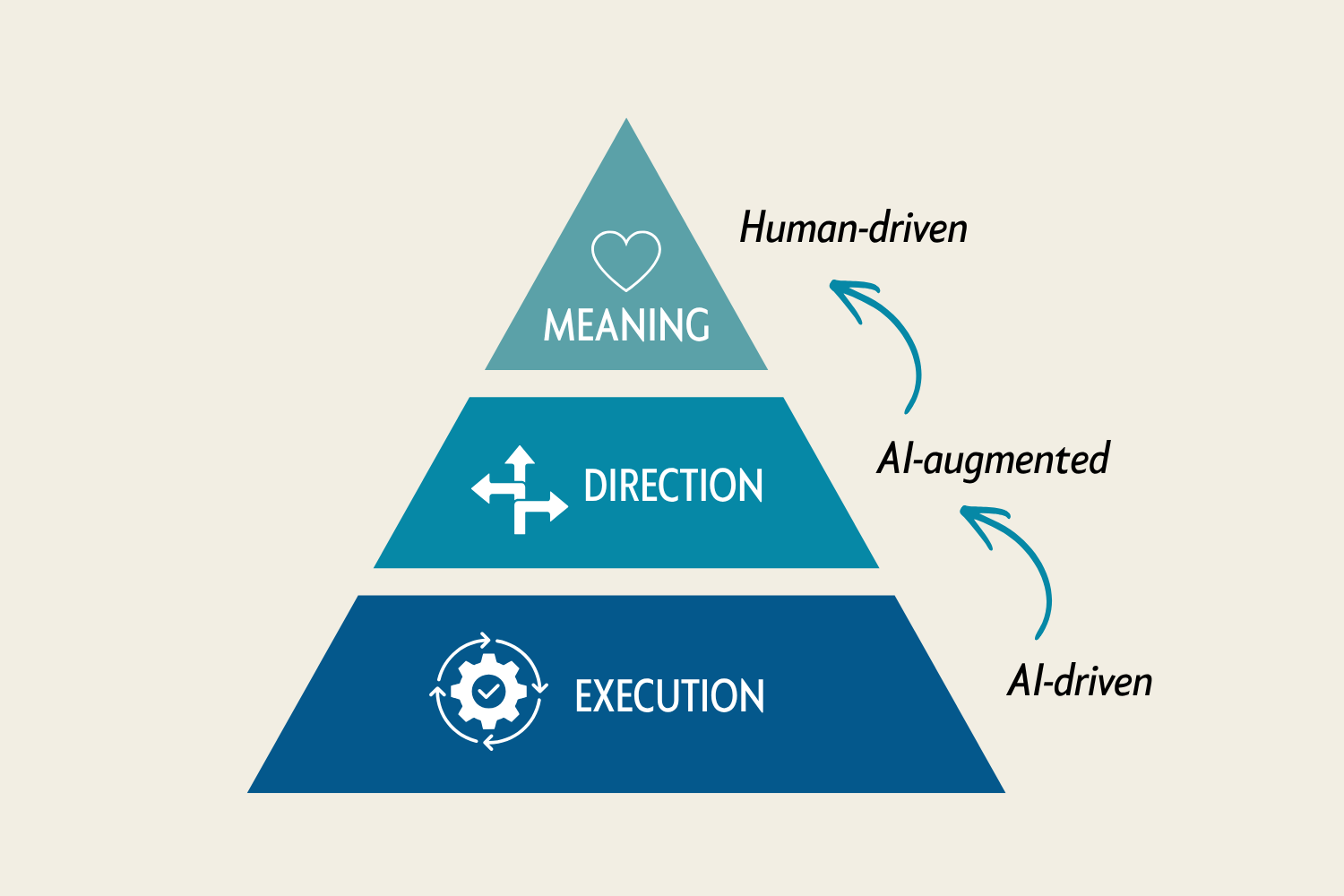
The Three Layers of Leadership
A pyramid — Execution, Direction, Meaning — where your value has to move up as AI automates execution.
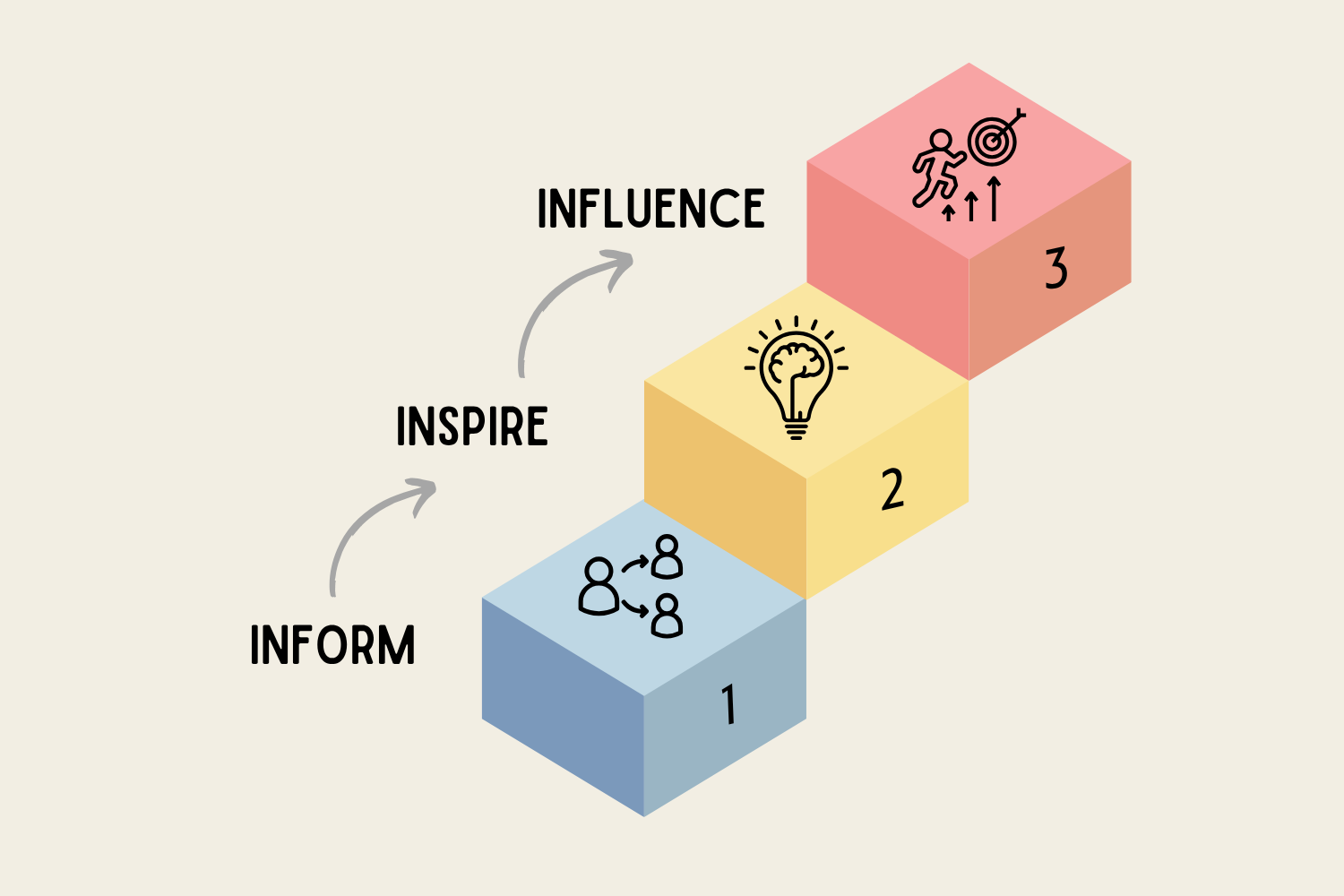
The Three Stages of Communication
Leadership communication runs in three stages — Inform (facts), Inspire (emotion), Influence (action) — the one you're stuck in reveals the problem.

The Value Triangle
A modern replacement for the Iron Triangle — swap cost, time, scope for investment, frequency, and incremental value — levers, not constraints.
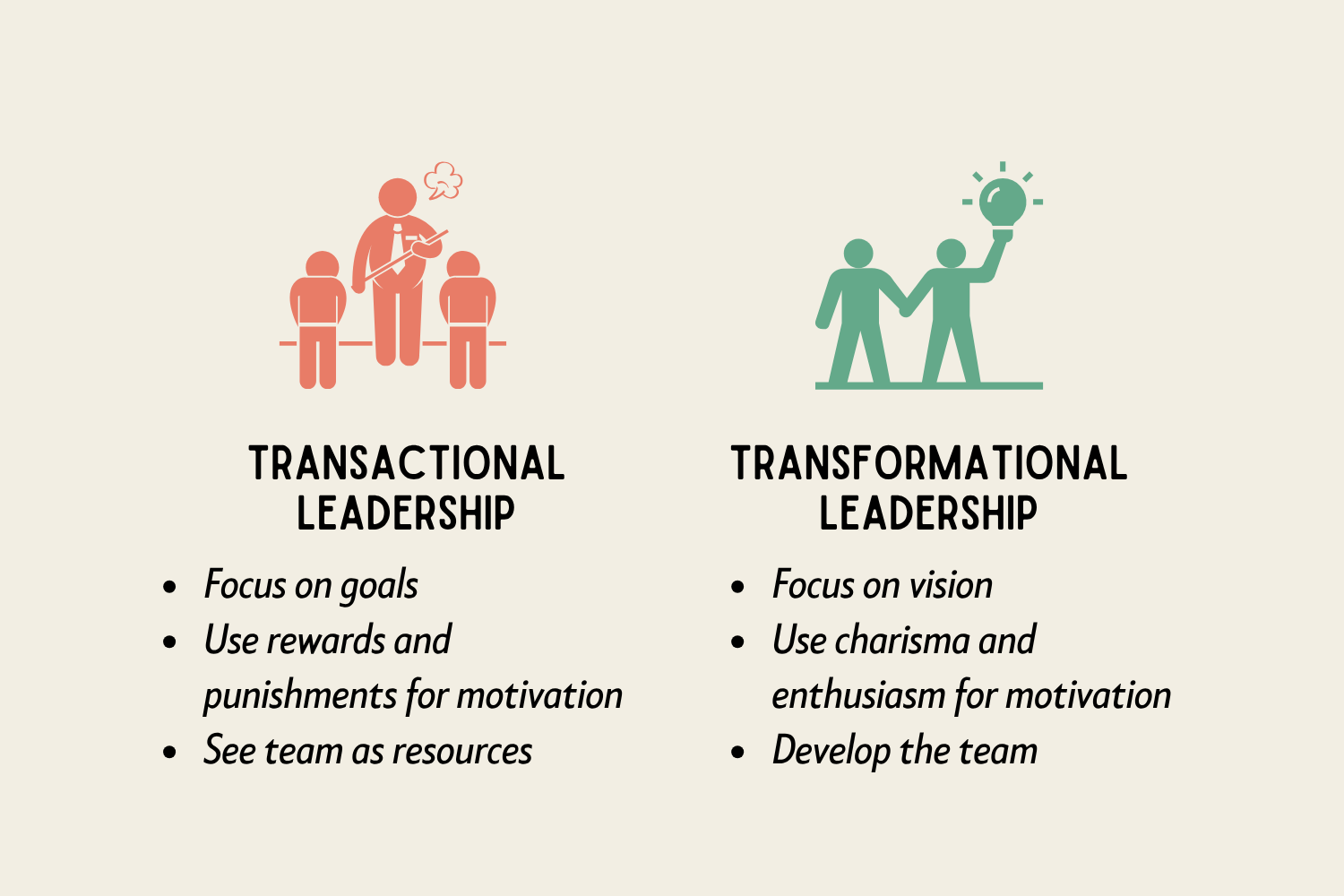
Transformational Leadership
Inspire people past self-interest and into a shared vision, raising what they aim for and what they're capable of.
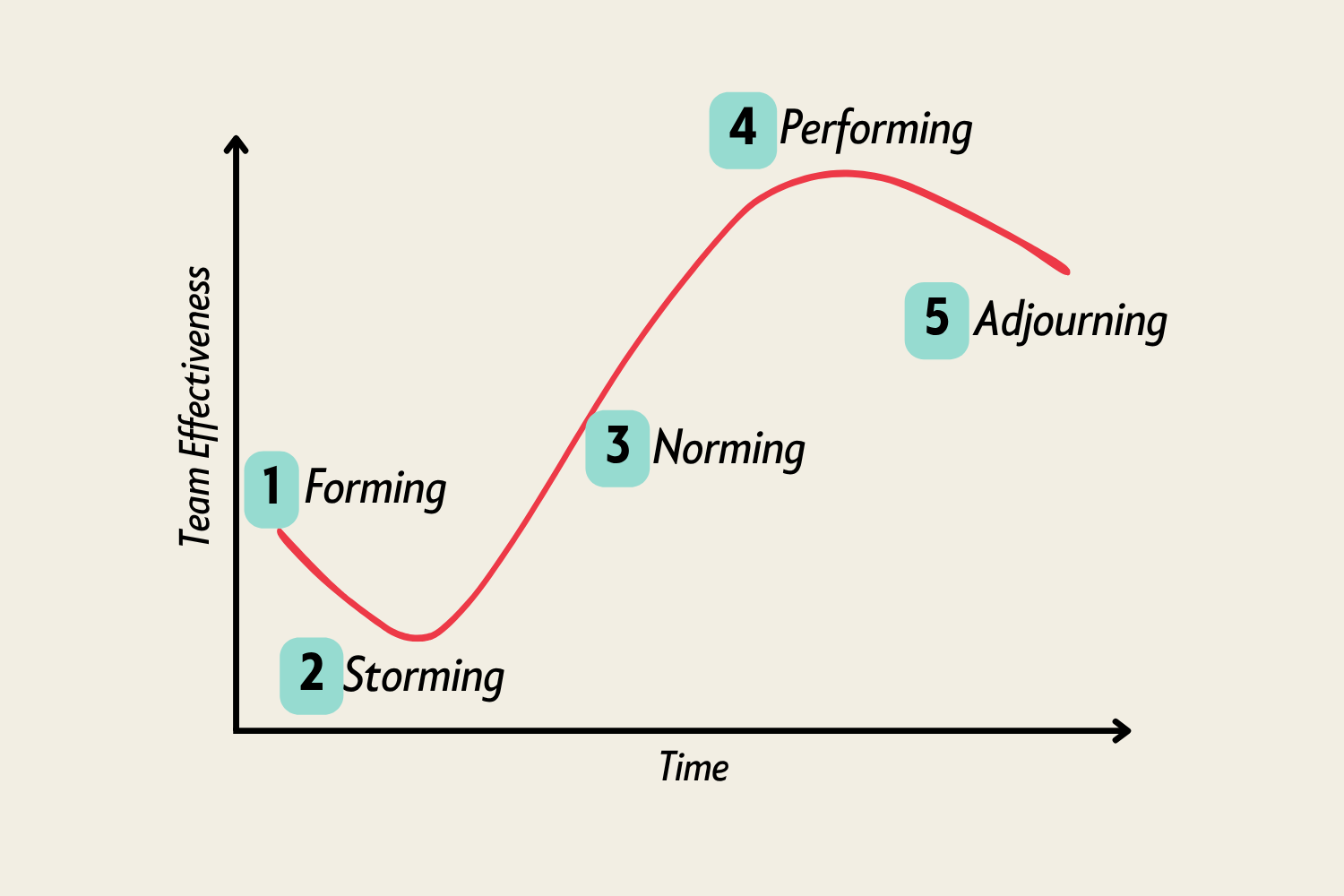
Tuckman's Stages of Team Development
Every team moves through five predictable stages — forming, storming, norming, performing, adjourning — each demanding a different move from you.
Leadership books worth reading, summarized and tied back to the skills they teach.
All Books

AI 2041
Kai-Fu Lee & Chen Qiufan
Ten speculative-fiction stories set in the year 2041, each in a different country and paired with Kai-Fu Lee's nonfiction breakdown of the real technology underneath. A way of making abstract AI trends concrete by showing, not just telling, how they might actually land in ordinary lives.

AI Superpowers
Kai-Fu Lee
Kai-Fu Lee's argument, from inside both Silicon Valley and the Chinese tech industry, that the AI race has shifted from who has the best research to who can actually ship and scale it. On that axis, the competitive map looks very different than Western coverage usually suggests.

Atomic Habits
James Clear
James Clear's case that tiny, consistent changes compound into dramatic results, and that the system you build matters more than the goal you set, no matter how motivated you feel on day one.

Blink
Malcolm Gladwell
Malcolm Gladwell's dive into the two-second judgment: when snap decisions beat deliberate analysis, when they betray you without warning, and why you usually can't tell which is happening in the moment.

Built to Last
Jim Collins & Jerry I. Porras
Collins and Porras' earlier, lesser-known study of visionary companies: the research that came before Good to Great, built around a single hard question: what actually survives past the founder, the product, and the current strategy?

Burnout
Emily Nagoski & Amelia Nagoski
The Nagoski sisters' sharp distinction between a stressor and the stress itself, and why removing the stressor from your life doesn't automatically get the stress out of your body. A rethink for any manager who treats "just manage your workload better" as the fix.

Clear Thinking
Shane Parrish
Shane Parrish's case that your biggest decisions aren't won by thinking harder in the moment. They're won or lost by the defaults you've already built long before the moment arrives.

Coaching for Performance
Sir John Whitmore
Sir John Whitmore's foundational case for coaching-style management over command-and-control, built on a single idea: performance is limited less by skill than by interference, and a manager's job is to remove the interference, not supply the answer.

Co-Intelligence
Ethan Mollick
Wharton professor Ethan Mollick's field guide to actually working with generative AI day to day, treating it less like software and more like a fast, occasionally brilliant, occasionally confidently wrong new colleague.

Competing in the Age of AI
Marco Iansiti & Karim R. Lakhani
Two Harvard Business School professors' argument that AI-native firms aren't running a better version of your business. They're running a fundamentally different machine, one built to scale decisions at almost zero marginal cost.

Creativity, Inc.
Ed Catmull with Amy Wallace
Pixar co-founder Ed Catmull's record of building a studio where brilliant, well-intentioned people still nearly wrecked their own creative process, and the specific habits that protected it instead. Less a book about animation than a book about managing anything fragile and unfinished.

Crucial Conversations
Kerry Patterson, Joseph Grenny, Ron McMillan, and Al Switzler
A manager's guide to the book about the story you make up before you open your mouth. It's not really a book about talking, but about the half-second before you talk that decides whether the conversation goes well or badly.

Dare to Lead
Brené Brown
Brené Brown's case that vulnerability isn't the opposite of strong leadership. It's the precondition for it, and the armor most leaders wear to look strong is usually what's actually holding their team back.

Deep Work
Cal Newport
Cal Newport's case that the ability to focus without distraction on a hard problem is becoming rare and valuable at the exact moment most of the modern workday (email, meetings, constant notifications) is organized to make it nearly impossible.

Developing the Leader Within You
John C. Maxwell
John Maxwell's foundational case that leadership is influence, not title, and that the gap between "manager" and "leader" is a set of learnable habits, not a personality you were or weren't born with.

Difficult Conversations
Douglas Stone, Bruce Patton & Sheila Heen
The Harvard Negotiation Project's case that every hard conversation you're avoiding is actually three conversations tangled together: a dispute over facts, a buried argument about feelings, and a quiet question about identity, and most people only ever engage the first one.

Drive
Daniel H. Pink
Daniel Pink's case that the carrot-and-stick playbook most managers inherited is actually the wrong tool for most of today's work, and what motivates people doing complex, creative work instead.

Elevate
Robert Glazer
Robert Glazer's case, from his book "Elevate: Push Beyond Your Limits and Unlock Success in Yourself and Others," that performance isn't a willpower problem. It's a capacity problem across four specific domains, built like a muscle, not willed into existence overnight.

Emotional Intelligence
Daniel Goleman
Daniel Goleman's case that how you handle emotion, your own and everyone else's, predicts success better than raw intellect. The book that put "EQ" into every manager's vocabulary, for good reason.

Emotional Intelligence 2.0
Travis Bradberry & Jean Greaves
The practical, test-and-strategies follow-up to the emotional intelligence conversation: less theory, more "here's exactly what to do on Tuesday," built around four skills you can actually practice and measure.

Empire of AI
Karen Hao
Investigative journalist Karen Hao's case, built from years covering OpenAI and hundreds of interviews, that the leading AI labs should be understood not as idealistic research nonprofits but as empires in the old sense: extracting data, labor, and natural resources to concentrate power, dressed in the language of a mission to benefit humanity.

Essentialism
Greg McKeown
Greg McKeown's argument that "doing less, but better" isn't a time-management trick. It's a different operating system for deciding what deserves your effort at all, built on one uncomfortable premise: almost everything is non-essential.

Extreme Ownership
Jocko Willink and Leif Babin
Two Navy SEAL officers' blunt rule for leadership, forged in the Battle of Ramadi and translated straight into the business world: there are no bad teams, only bad leaders, and the leader owns every outcome, full stop, no exceptions, no shared blame.

First, Break All The Rules
Marcus Buckingham & Curt Coffman
A large-scale look at what the best managers actually do differently, and the uncomfortable finding that most of it runs against conventional management wisdom, starting with the idea that you shouldn't try to fix people's weaknesses.

Focus
Daniel Goleman
Daniel Goleman's case that attention, not raw intelligence or emotional intelligence alone, is the overlooked resource behind effective leadership, and that most leaders are depleting it faster than they realize.

Four Thousand Weeks
Oliver Burkeman
Oliver Burkeman's blunt reminder that the average human life is about four thousand weeks long, and that every productivity system built to escape that limit is making the anxiety worse, not better.

Games People Play
Eric Berne
The psychiatrist who invented Transactional Analysis, explaining why so many conversations at work are really scripted performances with a hidden payoff. It's a guide to spotting the game before you're cast in a role you didn't agree to.

Getting to Yes
Roger Fisher, William Ury & Bruce Patton
The original Harvard Negotiation Project playbook. Negotiate on interests and objective standards instead of trading positions back and forth, and you stop needing to choose between being "nice" and getting a good outcome.

Give and Take
Adam Grant
Adam Grant's organizational-psychology case that how you handle reciprocity, giving, taking, or matching, predicts long-run success better than talent does, as long as you give the right way.

Good Leaders Ask Great Questions
John C. Maxwell
John Maxwell's case that the single clearest sign a leader has stopped growing is that they've stopped asking real questions, and that the habit of asking, not the gift of answering, is what keeps a leader's judgment sharp over time.

Good Strategy Bad Strategy
Richard Rumelt
Richard Rumelt's blunt case that most of what gets called "strategy" in a typical planning meeting is actually a wish list dressed up in strategic language, plus a concrete test for telling the two apart.

Good to Great
Jim Collins
Jim Collins' research into why some companies go from average to sustained market dominance, and others don't. Read less as a book about companies and more as a book about the kind of leader you have to become before a company (or a team) can get great.

Grit
Angela Duckworth
Angela Duckworth's research-backed case that sustained passion and perseverance beat raw talent, a useful gut-check for any manager who keeps betting on the "naturally gifted" hire over the stubborn one.

Hidden Potential
Adam Grant
Adam Grant's argument that where you start matters far less than how far you're willing to grow, and that the character skills enabling that growth are learnable, not innate, no matter how your scorecard looks on day one.

High Output Management
Andrew S. Grove
Andy Grove's field manual for management as a production problem. Your output is the output of the people you influence, which reframes nearly everything a manager does as a question of leverage, not effort.

How to Win Friends and Influence People
Dale Carnegie
The original relationship-building classic, decades before "emotional intelligence" had a name. Carnegie's bet is that nearly every influence problem is actually an ego-management problem, yours and theirs.

Inclusify
Stefanie K. Johnson
Stefanie Johnson's argument that most leaders miss inclusion by over-indexing on one of two basic human needs, belonging or uniqueness, and her six named archetypes for exactly how that imbalance shows up, from the "Meritocracy Manager" to the "White Knight."

Influence
Robert B. Cialdini
A social psychologist's field guide to the handful of automatic triggers that make people say yes, written so you can recognize them when they're used on you, and use them honestly when you're the one asking.

Leaders Eat Last
Simon Sinek
Simon Sinek's case that leadership is a biological deal, not a rank. The people at the top give up safety and comfort first, so everyone below them doesn't have to spend their energy watching their back instead of doing the work.

Leadership in Turbulent Times
Doris Kearns Goodwin
Historian Doris Kearns Goodwin places Lincoln, Theodore Roosevelt, FDR, and LBJ side by side and asks the same question about each: what did their worst personal crisis actually build in them, and how did they spend it once real power and a real emergency arrived at the same time.

Leadership is Language
David Marquet
David Marquet's argument, built from his time commanding a nuclear submarine, that the exact words a leader habitually uses either keep an organization stuck in command-and-control execution mode or genuinely open it up to better thinking. Most leaders have no idea which one their default language is doing.

Leading Change
John P. Kotter
John Kotter's eight-step anatomy of organizational change, built from studying why most change efforts fail, and a blunt diagnosis that most failures trace back to skipping step one, not step eight.

Lean In
Sheryl Sandberg
Sheryl Sandberg's argument that the barriers keeping women out of leadership are real on both sides: structural bias in how organizations operate, and self-imposed caution in how women are taught to see their own ambition. Fixing only one side leaves the other fully intact.

Loonshots
Safi Bahcall
Physicist-turned-biotech-CEO Safi Bahcall borrows a concept from phase transitions in physics (the same sudden shift that turns water to ice) to explain why the same smart people, in the same company, kill their best "crazy" ideas as they grow, and what structure, not willpower, it takes to stop that from happening.

Made to Stick
Chip Heath and Dan Heath
Why urban legends, conspiracy theories, and your most forgettable all-hands deck follow completely different rules, and the six ingredients Chip and Dan Heath found in every idea that actually sticks in people's heads, whether or not it deserves to.

Measure What Matters
John Doerr
John Doerr's field guide to OKRs, the goal-setting system he carried from Andy Grove's Intel to a young Google, built on the argument that most teams fail not from lack of effort, but from being clear about activity and vague about outcomes.

Mindset
Carol S. Dweck
Carol Dweck's research on why some people treat ability as fixed and others treat it as something built, and why the belief you hold about yourself shapes how your whole team learns, fails, and improves, often without anyone noticing it happening.

Multipliers
Liz Wiseman
Liz Wiseman's case that the biggest lever on a team's output isn't headcount or talent density, it's whether the leader in the room makes people smarter or slowly makes them smaller.

Never Split the Difference
Chris Voss with Tahl Raz
A former FBI lead hostage negotiator's case against "splitting the difference," negotiation isn't a logic problem you solve at the table, it's an emotional one you solve before you ever get there.

No Rules Rules
Reed Hastings and Erin Meyer
Netflix co-founder Reed Hastings, with culture researcher Erin Meyer, on why Netflix removed vacation policies, expense approvals, and most of the rulebook most companies treat as non-negotiable, and the two things that have to be true first, or the whole thing backfires.

Originals
Adam Grant
Adam Grant's case that originality isn't a fearless personality trait, it's a set of specific, learnable moves that scared, doubtful people use to get a novel idea past the resistance everyone meets when they try something new.

Prediction Machines
Ajay Agrawal, Joshua Gans & Avi Goldfarb
Three economists' reframing of AI, stripped of the hype: what modern machine learning actually does is make prediction cheap, and once prediction is cheap, the scarce, valuable thing left is judgment.

Primal Leadership
Daniel Goleman, Richard Boyatzis & Annie McKee
The case that a leader's mood isn't a private matter. It's contagious through the whole team, which makes emotional intelligence the real infrastructure underneath every other leadership skill.

Principles
Ray Dalio
Ray Dalio's attempt to turn decades of painful mistakes at Bridgewater into explicit, written rules, a bet that most bad decisions come from never writing down what you actually believe until you're forced to.

Quiet
Susan Cain
Susan Cain's case against the modern workplace's "Extrovert Ideal": the unexamined assumption that the loudest, fastest-talking, most group-comfortable person in the room is automatically the most capable one, and what gets lost, specifically, when organizations build around that assumption.

Radical Candor
Kim Scott
Kim Scott's case that most managers who avoid giving hard feedback think they're being kind, and are actually doing the least kind thing possible, because withheld feedback doesn't disappear, it just shows up later as a surprise.

Range
David Epstein
David Epstein's case against the cult of early specialization, using Roger Federer's meandering path through half a dozen sports against Tiger Woods' single-minded golf-only childhood to show why breadth, not a head start, wins in most of the problems that actually matter.

Rebel Ideas
Matthew Syed
Matthew Syed's case that the smartest team in the room is rarely the one stacked with the highest individual IQs, it's the one with the widest range of genuinely different ways of seeing the same problem. A pointed argument against hiring people who think like you, no matter how impressive they are.

Rest
Alex Soojung-Kim Pang
Alex Soojung-Kim Pang's argument that rest isn't the opposite of great work. It's part of how great work gets made. A useful corrective for any manager who treats recovery as what's left over after hustle.

Same as Ever
Morgan Housel
Morgan Housel's case for studying what never changes about human behavior, risk, and decision-making, instead of exhausting yourself trying to predict what will, because the next crisis will look nothing like the last one, but it will be caused by the same handful of things that have always caused them.

Six Thinking Hats
Edward de Bono
Edward de Bono's fix for the meeting where everyone argues past each other because they're all doing a different kind of thinking at the same time, a simple discipline for making a group think one way, together, on purpose, instead of six ways at once.

Slow Productivity
Cal Newport
Cal Newport's challenge to "busy equals productive": a case that most knowledge work rewards visible activity over actual output, and a different model built on doing less, at a sustainable pace, to a genuinely higher standard.

Start With Why
Simon Sinek
Simon Sinek's argument that people don't buy what you do, they buy why you do it, and that most organizations have never actually answered the question, even the ones that think they have.

Stillness Is the Key
Ryan Holiday
Ryan Holiday's case that the people who handle pressure, power, and chaos best aren't the busiest or the most driven, they're the ones who've built real stillness into their mind, body, and sense of purpose, usually against the current of everything around them.

Stolen Focus
Johann Hari
Johann Hari's argument that your attention problem probably isn't a personal willpower failure, it's a predictable outcome of systems deliberately engineered to fragment it. Uncomfortable reading for any manager who's told a struggling employee to "just focus better."

Sun Tzu and The Art of Business
Mark McNeilly
Mark McNeilly's translation of Sun Tzu's 2,500-year-old military strategy into six concrete business principles, built around a point most business books skip: the best wins are the ones nobody had to fight for.

Surrounded by Idiots
Thomas Erikson
A blunt, color-coded field guide to why the person across the table from you seems to be speaking a different language, because, behaviorally, they basically are.

Switch
Chip Heath and Dan Heath
Chip and Dan Heath's case that most change efforts fail from a basic misdiagnosis, treating a willpower problem as if it were an information problem, and a three-part framework for directing the rational mind, motivating the emotional one, and reshaping the environment around both.

Team of Teams
General Stanley McChrystal, Tantum Collins, David Silverman & Chris Fussell
General Stanley McChrystal's account of rebuilding a special-operations task force to fight a decentralized enemy network, and the argument that efficient hierarchy, the thing most organizations are explicitly built for, is the wrong design for a fast, complex environment.

Team Topologies
Matthew Skelton & Manuel Pais
Skelton and Pais's case that most team structures are drawn to fit an org chart, not the actual flow of work, and a small set of team shapes and interaction rules for fixing that, built around a resource every leader habitually overspends: people's cognitive load.

The 16 Undeniable Laws of Communication
John C. Maxwell
John Maxwell's case that communication is not a personality trait some leaders are simply born with, it's sixteen learnable, named laws, grouped around who's speaking, what's said, how it's said, when it's said, and why it's said.

The 21 Irrefutable Laws of Leadership
John C. Maxwell
John Maxwell's attempt to turn leadership into something closer to a set of physical laws than a personality trait. Rules that hold regardless of your industry, your title, or how naturally charismatic you are.

The 48 Laws of Power
Robert Greene
Robert Greene's amoral compendium of how power actually moves through organizations and courts, stripped of any pretense that fairness or merit is what decides who wins. Useful as a decoder, dangerous as a playbook.

The 4-Hour Workweek
Timothy Ferriss
Timothy Ferriss's provocation that most of what fills a workday isn't actually producing most of the value. A useful, if deliberately extreme, lens for any manager who's never actually audited where their hours go.

The 5AM Club
Robin Sharma
Robin Sharma's parable-driven case for owning the first hour of your day before the world gets a vote. Less about waking up early for its own sake, and more about who's actually running your mornings.

The 5 Levels of Leadership
John C. Maxwell
John Maxwell's map of how leadership actually gets earned, level by level, and why the title on your door only ever buys you the lowest, least durable form of it.

The 7 Habits of Highly Effective People
Stephen R. Covey
Stephen Covey's classic, read through a modern-manager lens. Many of the ideas taught today as "new" leadership frameworks were already captured here decades ago.

The Art of War
Sun Tzu
The original 2,500-year-old military treatise, read the way most modern leaders actually use it. Not as a manual for fighting better, but as a manual for needing to fight less.

The Black Swan
Nassim Nicholas Taleb
Nassim Nicholas Taleb's argument that the events that actually reshape your business, your market, or your life are by definition the ones your models didn't see coming, and that the right response isn't better predicting, it's building something that survives being wrong.

The Checklist Manifesto
Atul Gawande
Atul Gawande's case, built from surgery and aviation, that expertise alone no longer prevents avoidable failure in complex work, and that a short, well-designed checklist catches exactly what skill and memory reliably miss under pressure.

The Coaching Habit
Michael Bungay Stanier
Michael Bungay Stanier's pitch that most managers have an "advice monster" problem, and a short list of deceptively simple questions designed to starve it, a little at a time, in conversations that already happen every day.

The Culture Code
Daniel Coyle
Daniel Coyle's reverse-engineering of highly successful groups: not through their strategy or talent, but through small, repeated signals that most leaders never notice they're sending, or failing to send.

The Culture Map
Erin Meyer
Erin Meyer's field guide to why a management style that works perfectly in one country reads as either rude or weak in another, and why "just be yourself" is actually terrible advice for anyone leading across cultures.

The Daily Stoic
Ryan Holiday & Stephen Hanselman
A year of short, daily meditations drawn from Marcus Aurelius, Seneca, and Epictetus, organized into one practical claim: the ancient Stoics weren't writing philosophy for philosophers. They were writing a manual for getting through hard days without losing yourself.

The Diary of a CEO
Steven Bartlett
Steven Bartlett's attempt to turn hundreds of founder and expert conversations into 33 numbered laws, organized into four pillars: the self, the story, the philosophy, and the team.

The Fearless Organization
Amy C. Edmondson
Amy Edmondson's case that psychological safety isn't a soft perk for making people feel nice. It's a hard performance requirement, because teams without it make worse decisions, catch fewer errors, and learn slower than teams that have it.

The First-Time Manager
Loren B. Belker, Jim McCormick & Gary S. Topchik
The unglamorous, practical handbook for the specific week your job title changed and nothing else came with instructions. Less a framework, more a set of answers to the questions new managers are usually too embarrassed to ask out loud.

The Five Dysfunctions of a Team
Patrick Lencioni
Patrick Lencioni's pyramid of the five behaviors that sink teams without much notice, stacked so that each one is actually caused by the dysfunction beneath it, which means fixing results or accountability first almost never works.

The Goal
Eliyahu M. Goldratt
Eliyahu Goldratt's business novel about a plant manager racing to save his factory. Hidden inside the story is the Theory of Constraints: every system has exactly one bottleneck at a time, and polishing everything that isn't it is effort dressed up as progress.

The Heart of Change
John P. Kotter and Dan S. Cohen
Kotter's own follow-up to Leading Change, built on a single correction: people don't change their behavior because an analysis changed their thinking. They change because something made them actually feel differently first.

The Infinite Game
Simon Sinek
Simon Sinek's case that most leaders are playing the wrong game entirely: treating an endless competition as something you can win, when the only real goal is staying in it, strong enough to keep playing.

The Innovator's Dilemma
Clayton M. Christensen
Clayton Christensen's answer to a puzzle that looks impossible: well-run companies, doing everything their best customers ask for, still lose to products that look worse on every spec sheet, right up until the moment they don't. The book every leader cites and few actually apply to their own team.

The Making of a Manager
Julie Zhuo
Julie Zhuo's field notes from becoming a manager in her twenties with no idea what the job actually was. A clear-eyed answer to the question most new managers are too embarrassed to ask out loud: what am I actually supposed to be doing all day?

The Manager's Path
Camille Fournier
Camille Fournier's map of the actual career ladder from doing the work to leading an organization of leaders, written for engineering managers, but mostly a clear-eyed account of how the job itself changes at every rung, which almost nobody explains to you before you climb it.

The Obstacle Is the Way
Ryan Holiday
Ryan Holiday's modern take on Stoic philosophy, built around a single claim: the obstacle in front of you isn't blocking the path, it is the path. A sharp antidote to managers who treat setbacks as proof the plan was wrong.

The One Thing
Gary Keller & Jay Papasan
Gary Keller and Jay Papasan's case that most to-do lists are really long lists of ways to avoid asking the one question that matters. Success usually comes from sequencing, not from doing more things at once.

The Person You Mean to Be
Dolly Chugh
Dolly Chugh's case for giving up on being a "good person" (a fixed, defensive identity) in favor of becoming a "good-ish person": someone actively building toward better, who treats their own blind spots as something to work on instead of something to deny.

The Power of Habit
Charles Duhigg
Charles Duhigg's deep dive into why habits form and how they change, and a practical mechanism for any manager who's tired of relying on willpower to fix behavior that structure should be fixing instead.

The Ride of a Lifetime
Robert Iger
Disney CEO Bob Iger's own account of betting the company three times, on Pixar, Marvel, and Lucasfilm, and then again on streaming, and the specific discipline of leaving what you just paid billions for alone long enough for it to actually work.

Think Again
Adam Grant
Adam Grant's case that rethinking, actually changing your mind when the facts say you should, is a skill most smart people are terrible at, and a direct challenge to any manager who treats changing position as a sign of weakness.

Thinking, Fast and Slow
Daniel Kahneman
Daniel Kahneman's decades of research into the two systems running your mind, and why the fast, confident one is usually the one making your worst decisions, not your best ones.

Thinking in Bets
Annie Duke
Former professional poker player Annie Duke's case that every decision is a bet made with incomplete information, and that judging decisions by their outcomes, the way almost everyone does, teaches exactly the wrong lessons.

Tribal Leadership
Dave Logan, John King & Halee Fischer-Wright
A model for diagnosing a team's culture by literally listening to how people talk: five stages of "tribal" language, from "life sucks" to "life is great," and a surprisingly specific playbook for moving a team up one stage at a time.

Triggers
Marshall Goldsmith with Mark Reiter
Executive coach Marshall Goldsmith's case that you don't fail to become the leader you intend to be because of weak character. You fail because your environment is triggering the wrong behavior all day without much notice, and nobody built a structure to catch it.

Turn the Ship Around!
L. David Marquet
A submarine captain's account of giving up the one thing every leader is taught to protect, being the person who gives the orders, and turning the worst-performing submarine in the fleet into one of the best by making every sailor think like a captain instead.

Walmart
Bryan Roberts & Natalie Berg
A retail-industry case study of how Walmart built, and is now fighting to defend, the position it spent sixty years earning. Less a biography of Sam Walton and more a hard look at what scale economics can and can't protect you from in the age of Amazon.

When the Body Says No
Dr Gabor Maté
Gabor Maté's case, drawn from decades of clinical practice, that chronically suppressing your own needs and emotions to keep the peace has a real physical cost. A hard look at the leader who's never once said no and wears it as a point of pride.

Winning
Jack Welch with Suzy Welch
Jack Welch's unapologetically blunt playbook for running a business and a team, built on the belief that most management dysfunction is really just a candor problem wearing a nicer name.

Wintering
Katherine May
Katherine May's case that the fallow, difficult stretches of life, a loss, a burnout, an illness, a plain bad year, aren't failures to snap out of, but seasons with their own logic. An uncommon lens for leaders who treat every low point as a problem to solve away fast.

Your Next Five Moves
Patrick Bet-David
Patrick Bet-David's chess-inspired framework for strategic leadership, built around five "moves" every founder or executive has to master in order, from knowing yourself to running power plays against bigger competitors, instead of just reacting to whatever just happened.
Curated learning pathways to master the essential skills and frameworks

Building a High-Performing Team
A group of strong people isn't automatically a strong team.
7 steps

From Individual Contributor to Leader
The identity shift, not just the title.
5 steps

Influencing without Authority
Moving people to act when you have no formal power over them.
5 steps

Leading Through Change
Reorgs, pivots, and the change that isn't going well yet.
6 steps

New Manager Essentials
Your first 90 days managing people.
6 steps

Strategic Leadership Fundamentals
From managing a team to thinking about the business.
7 steps